


Kitchen Lighting
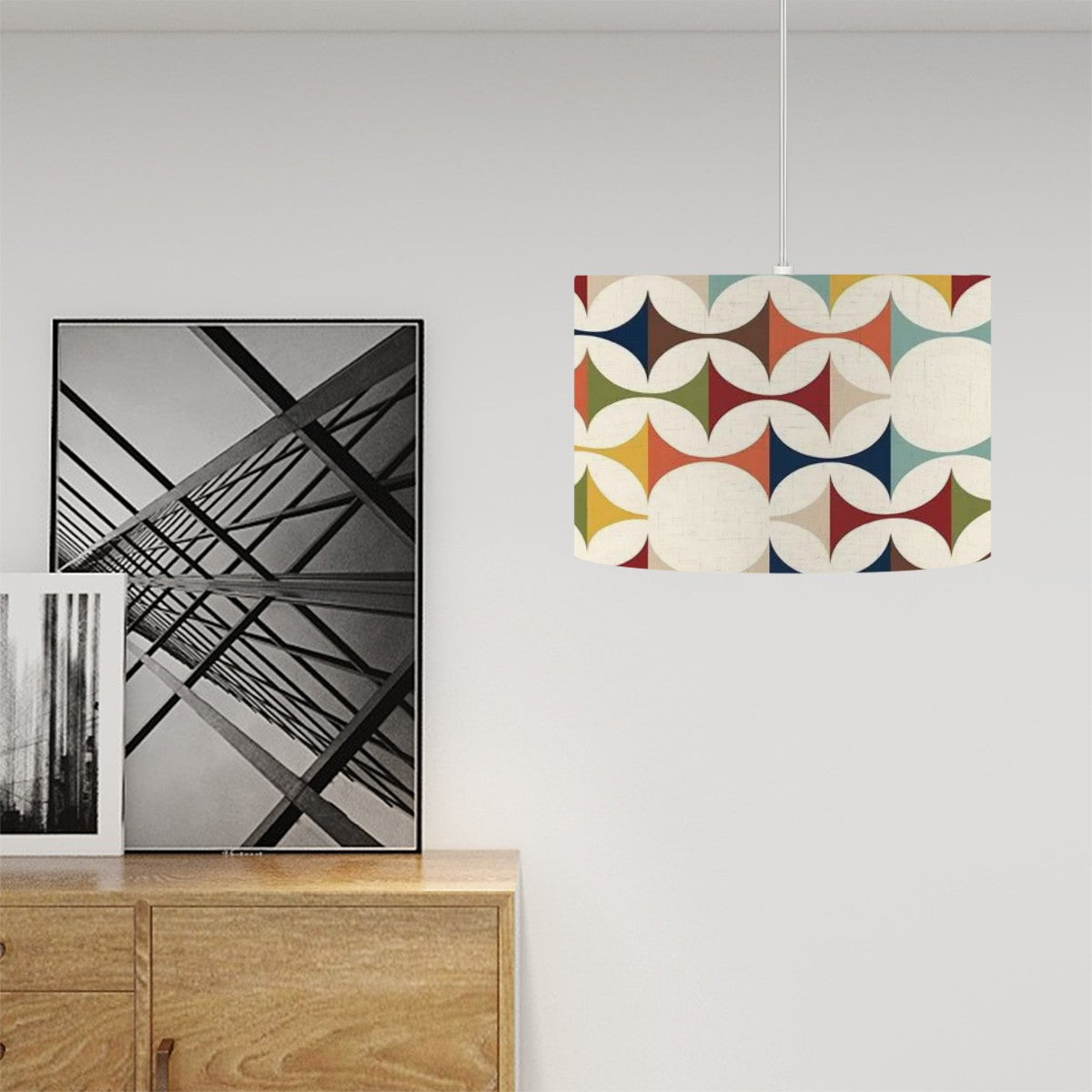
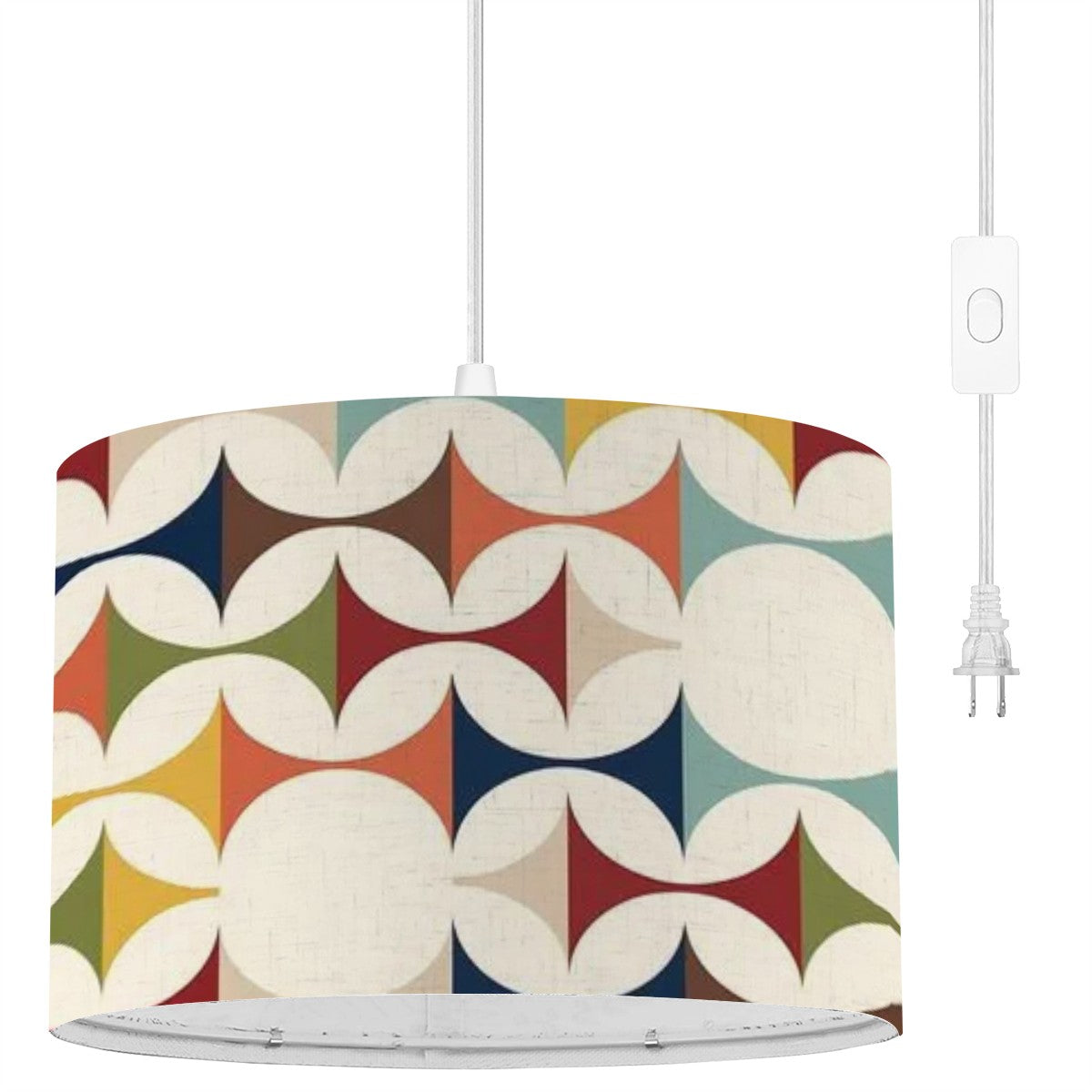
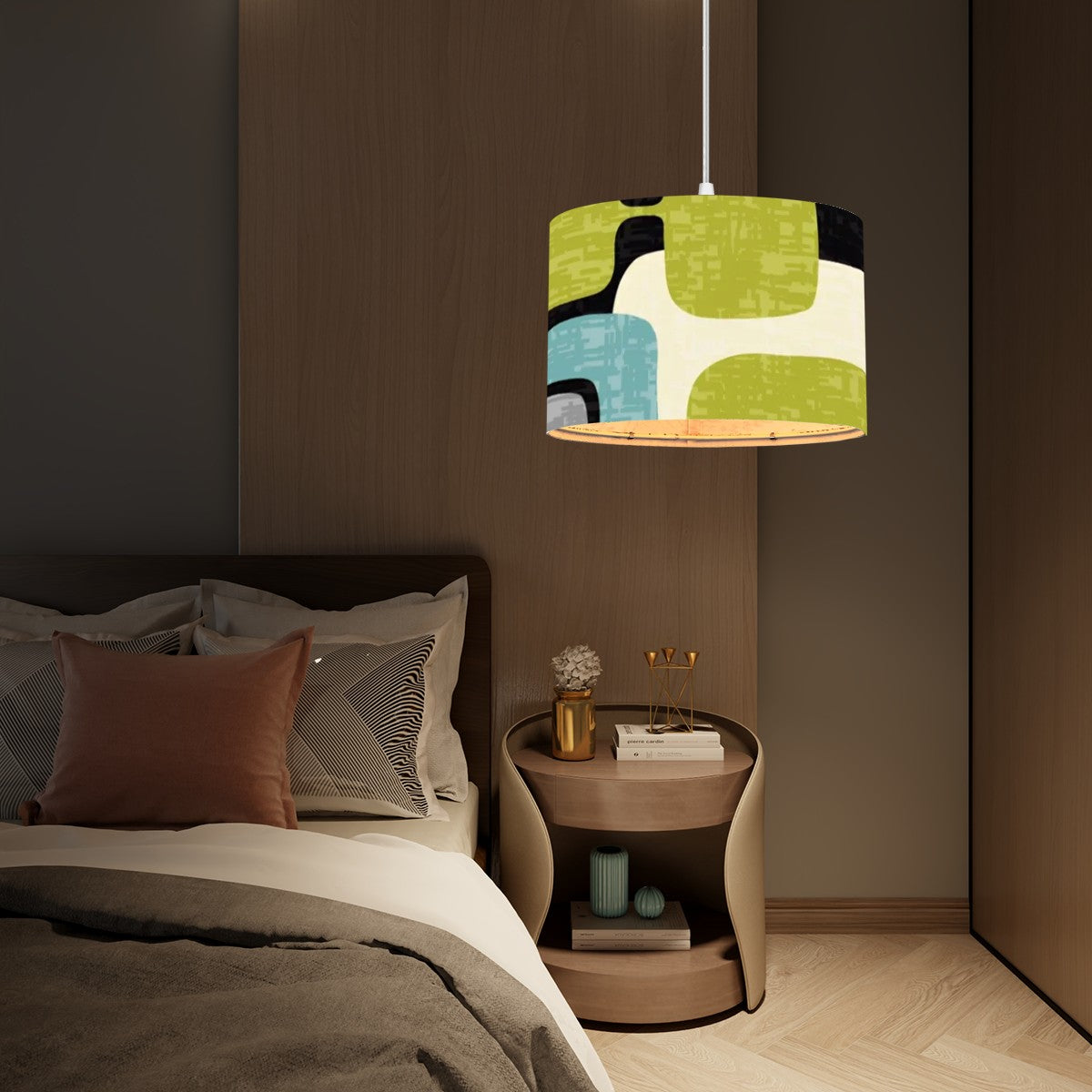
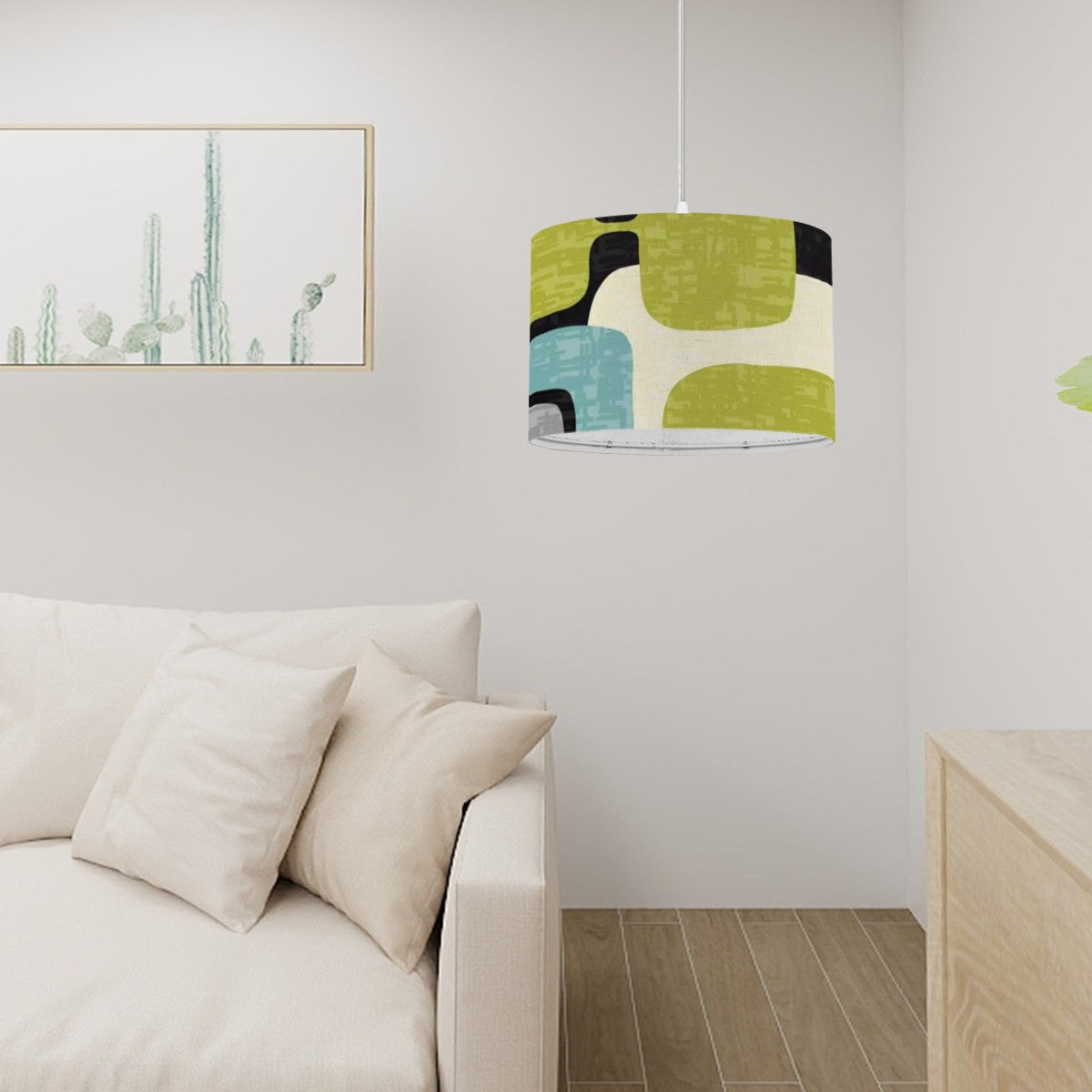

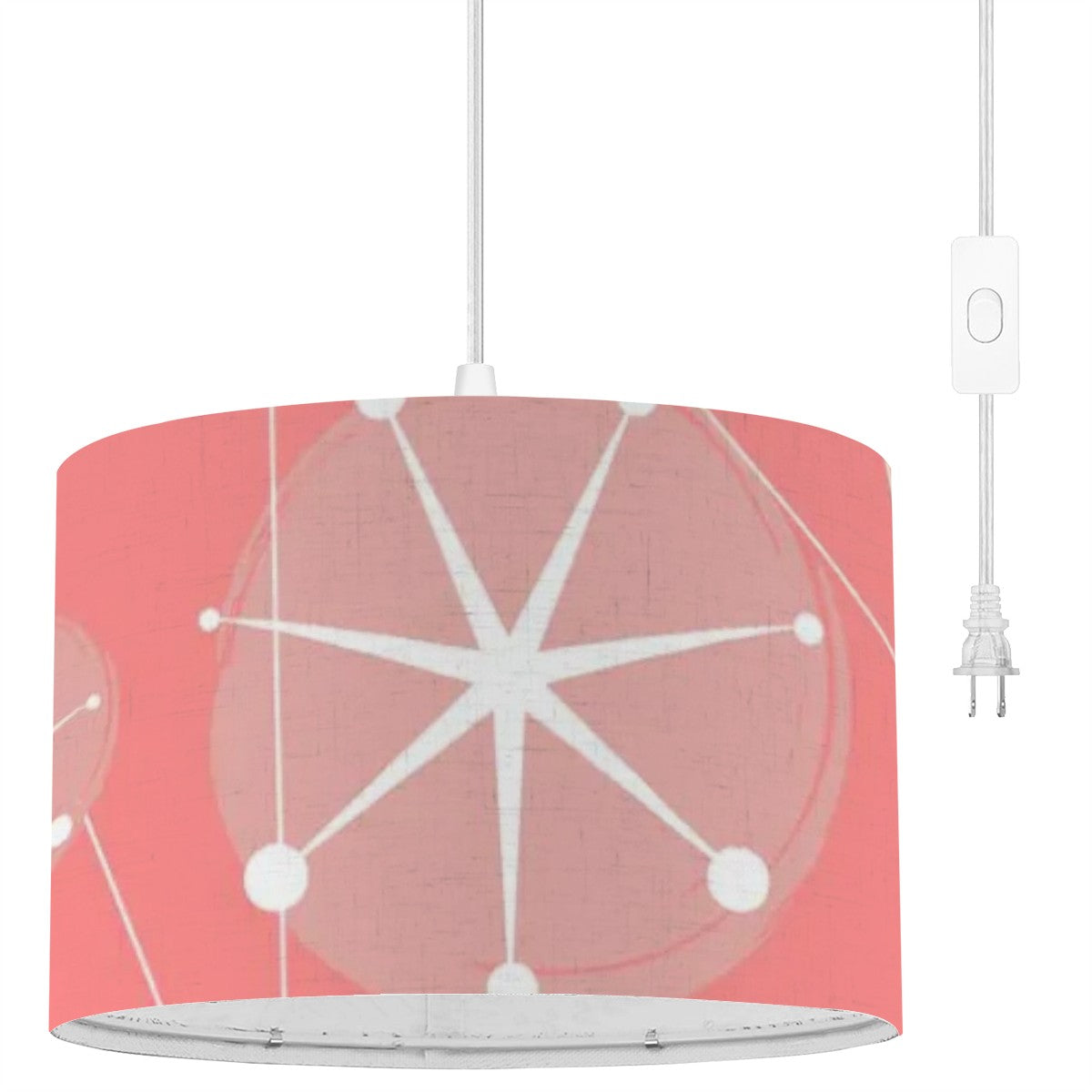
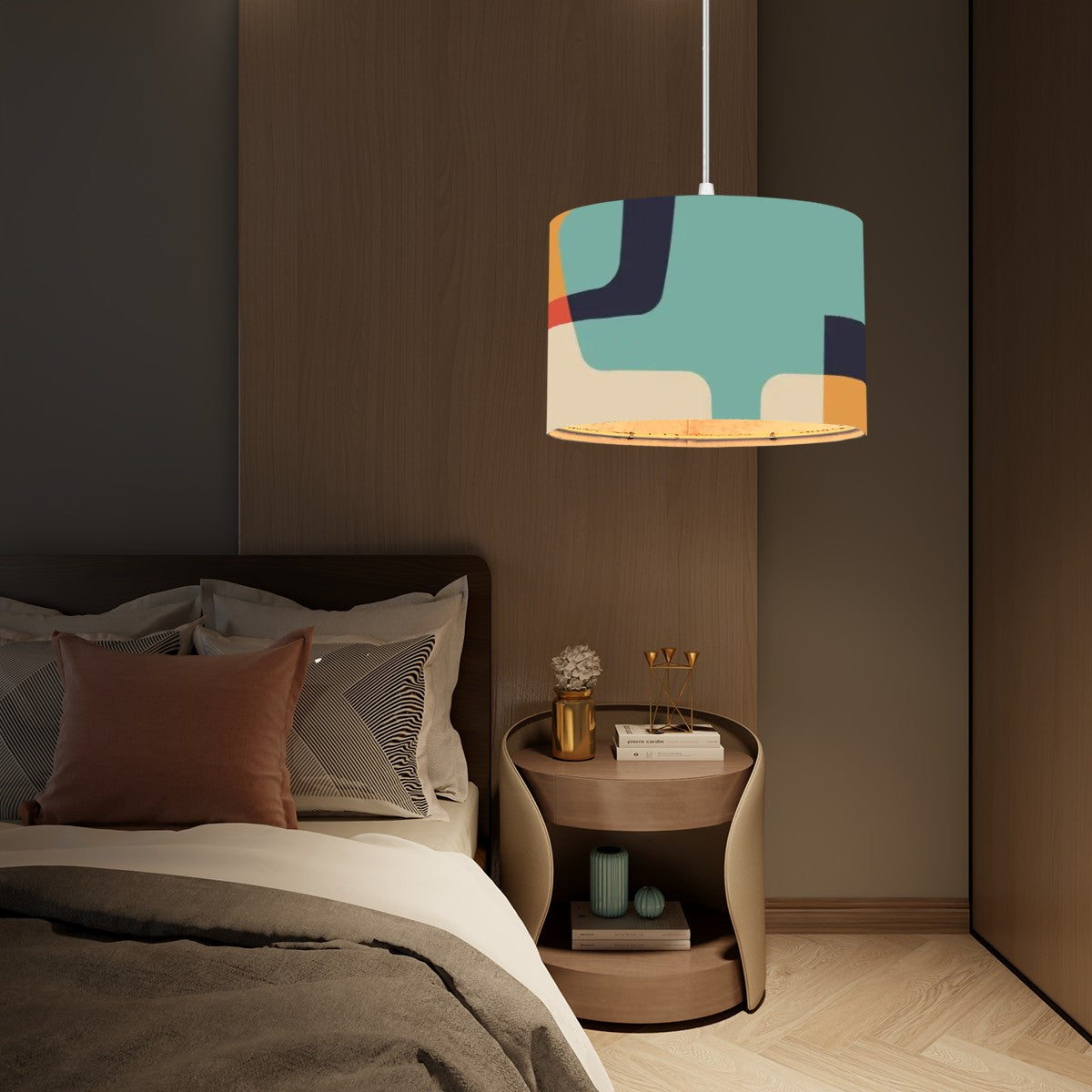
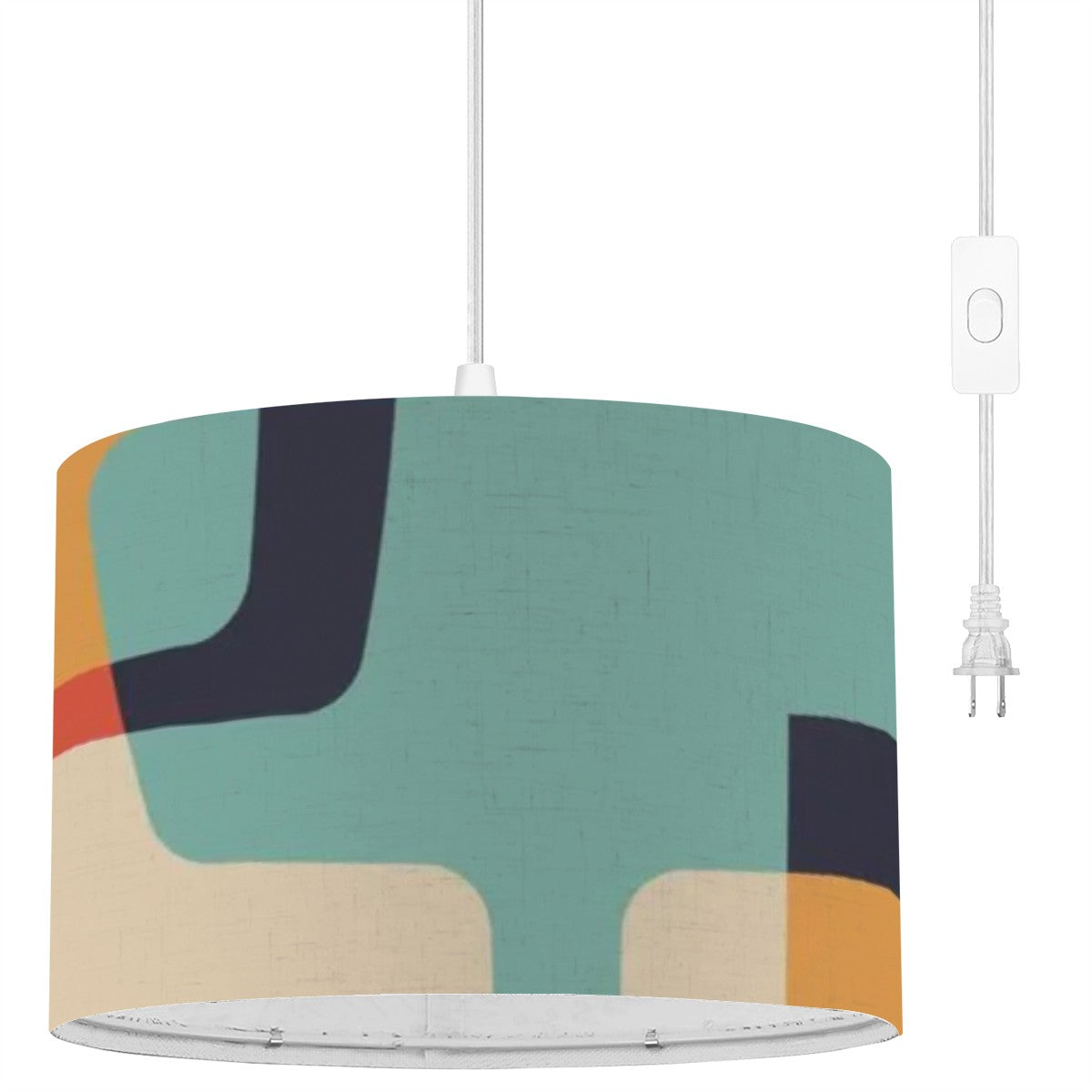

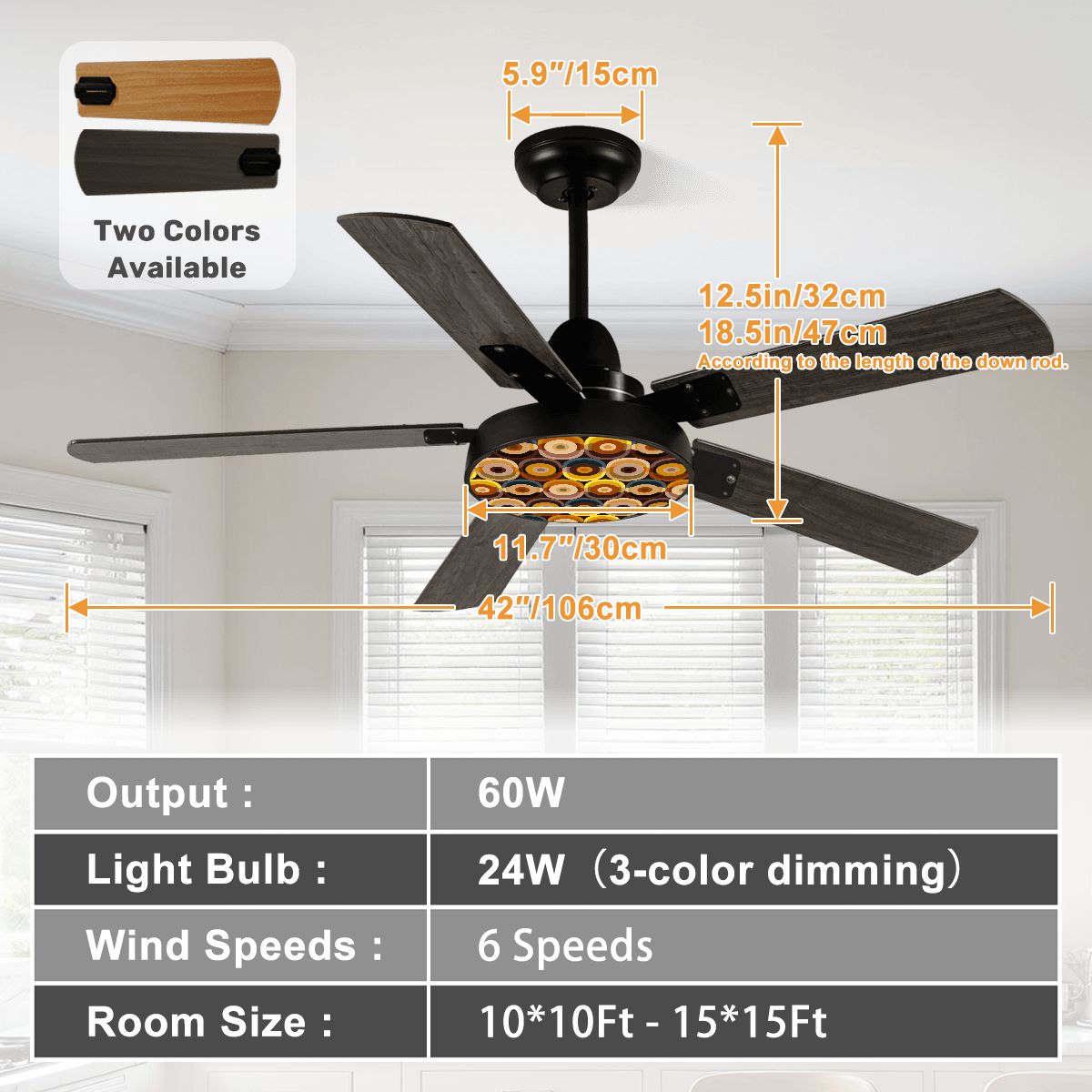

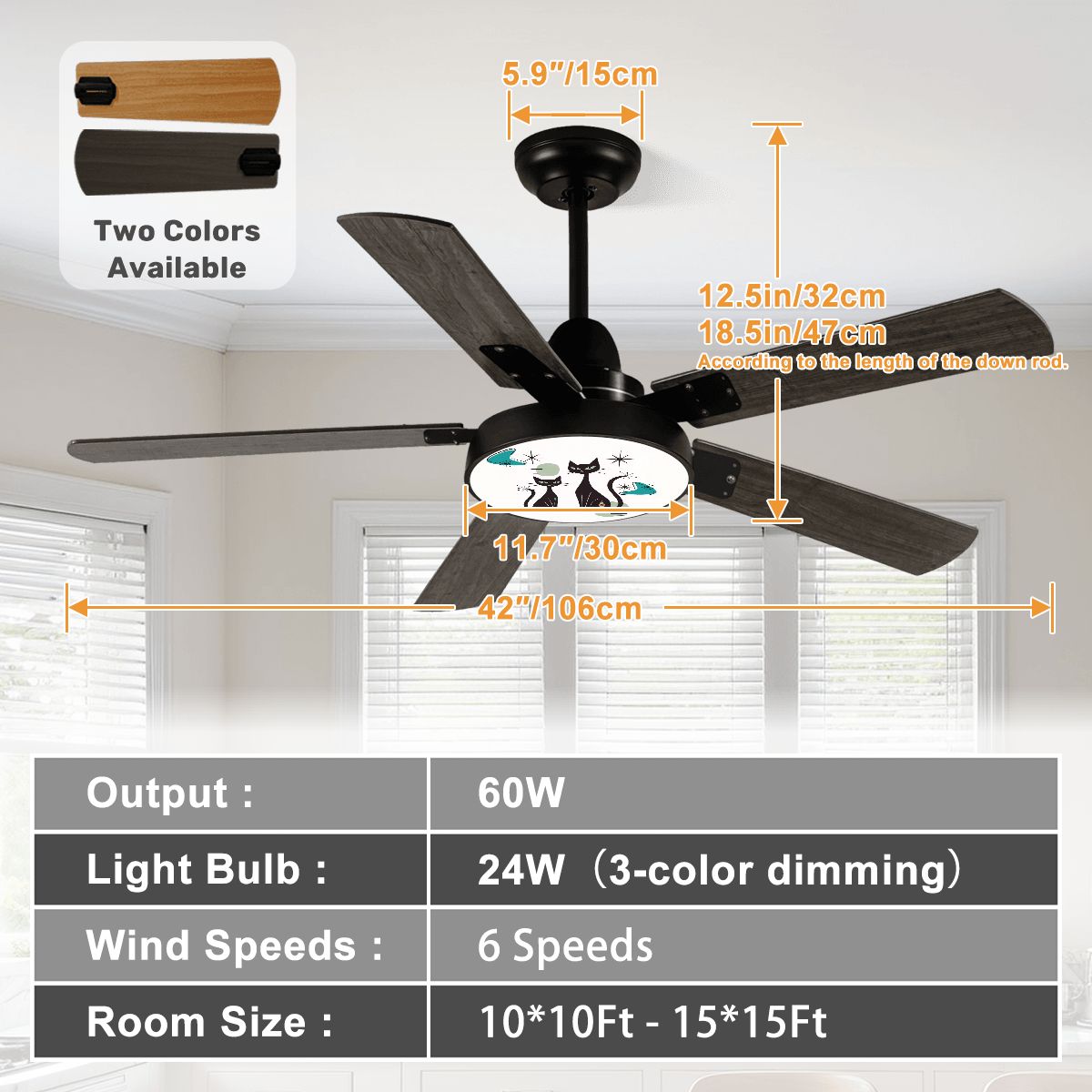

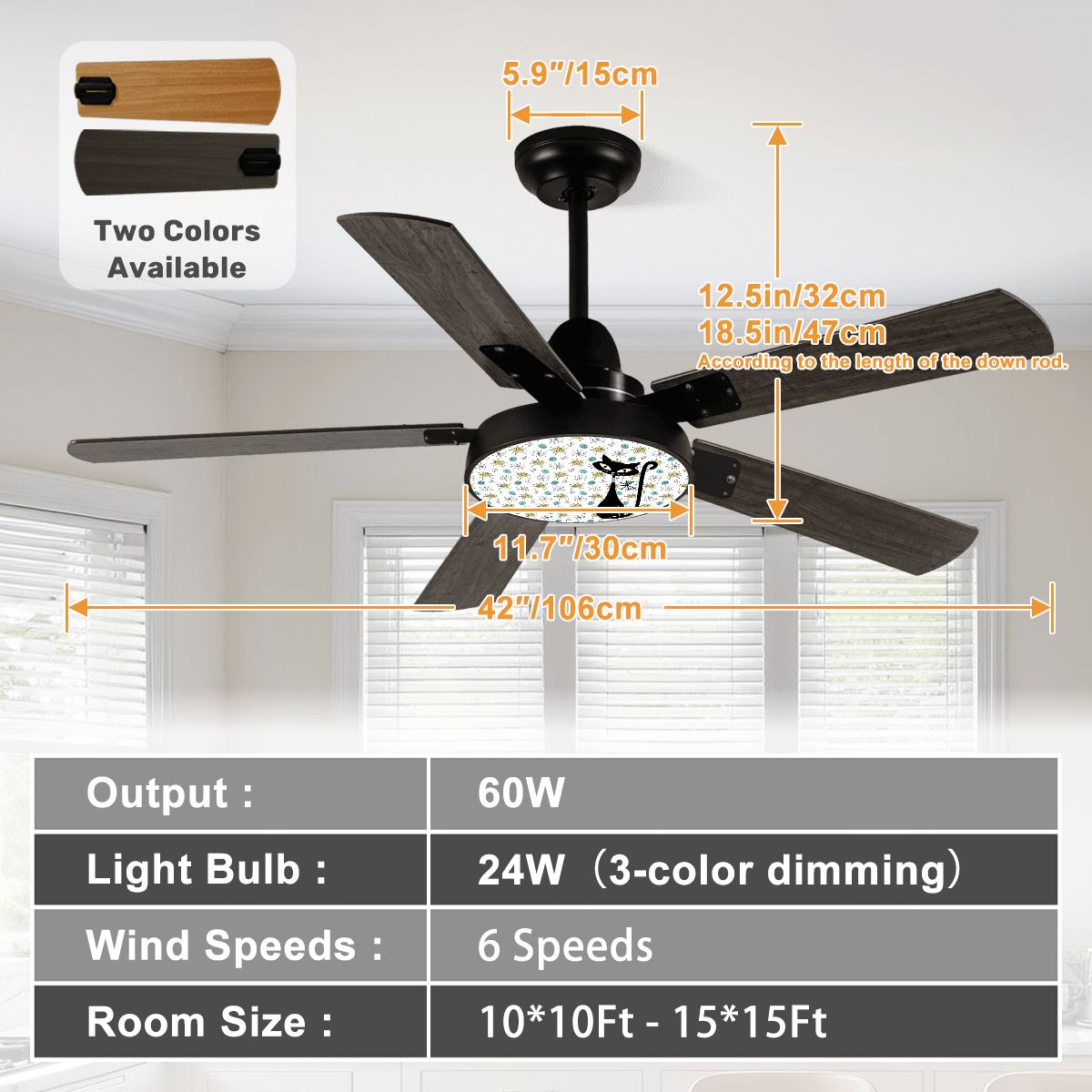

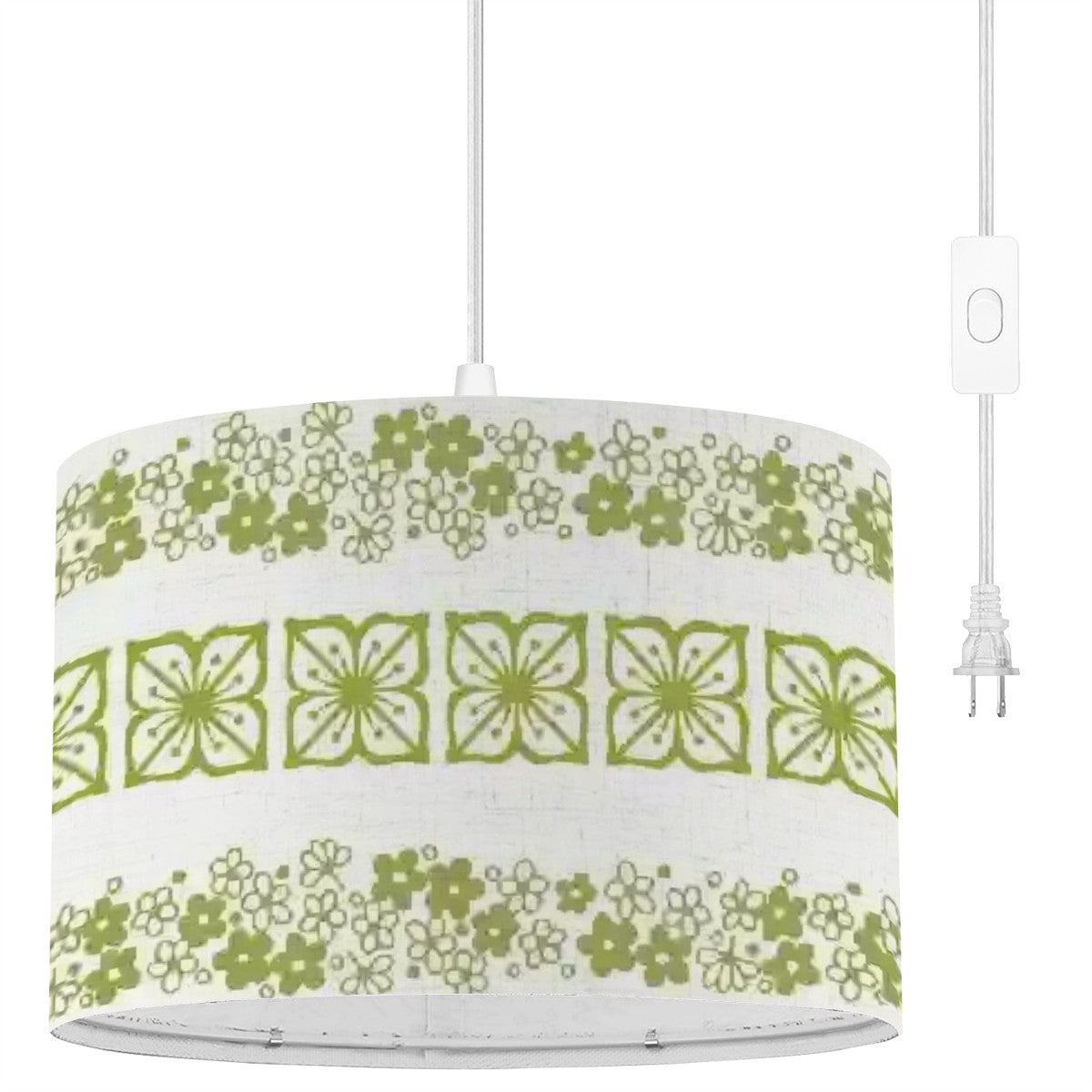
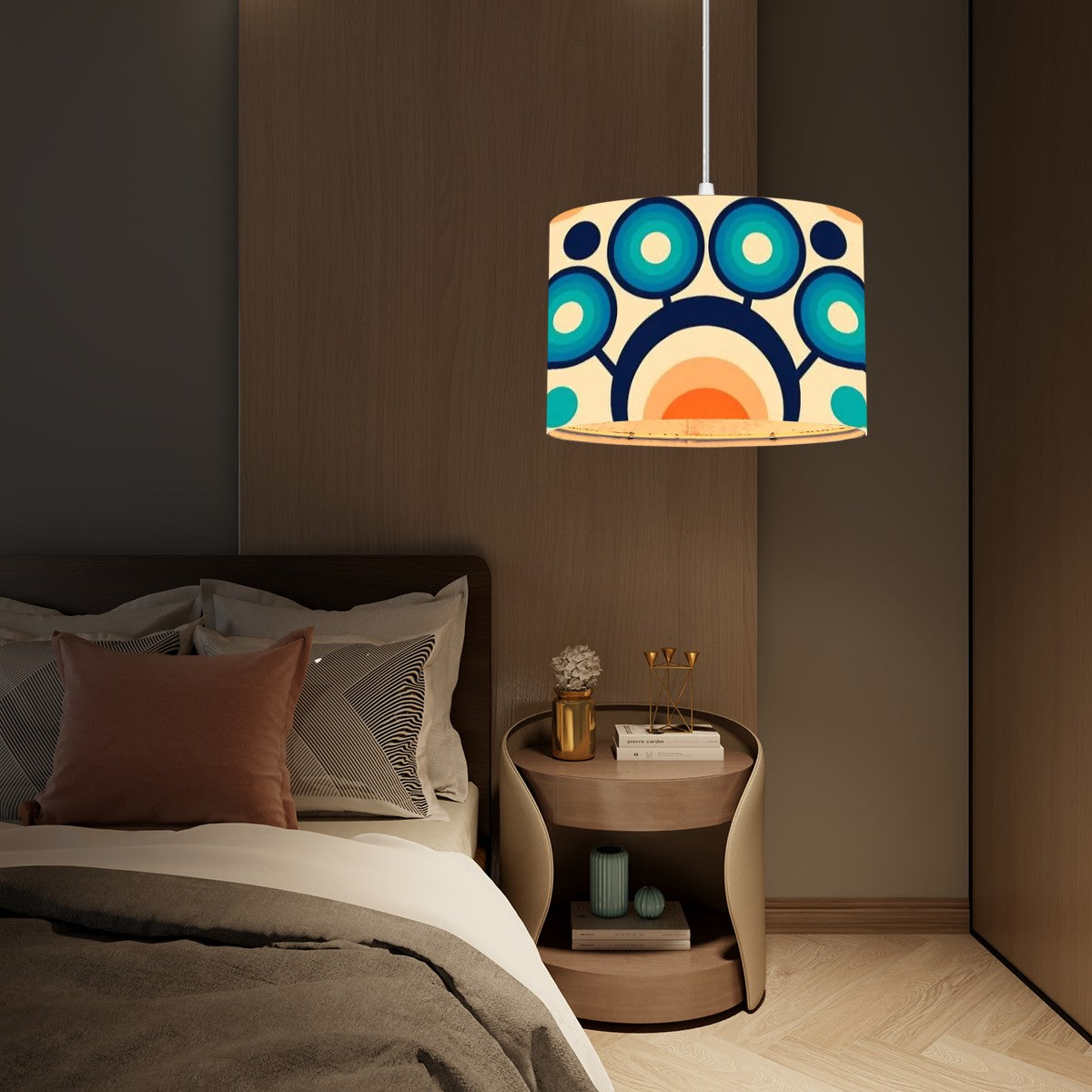

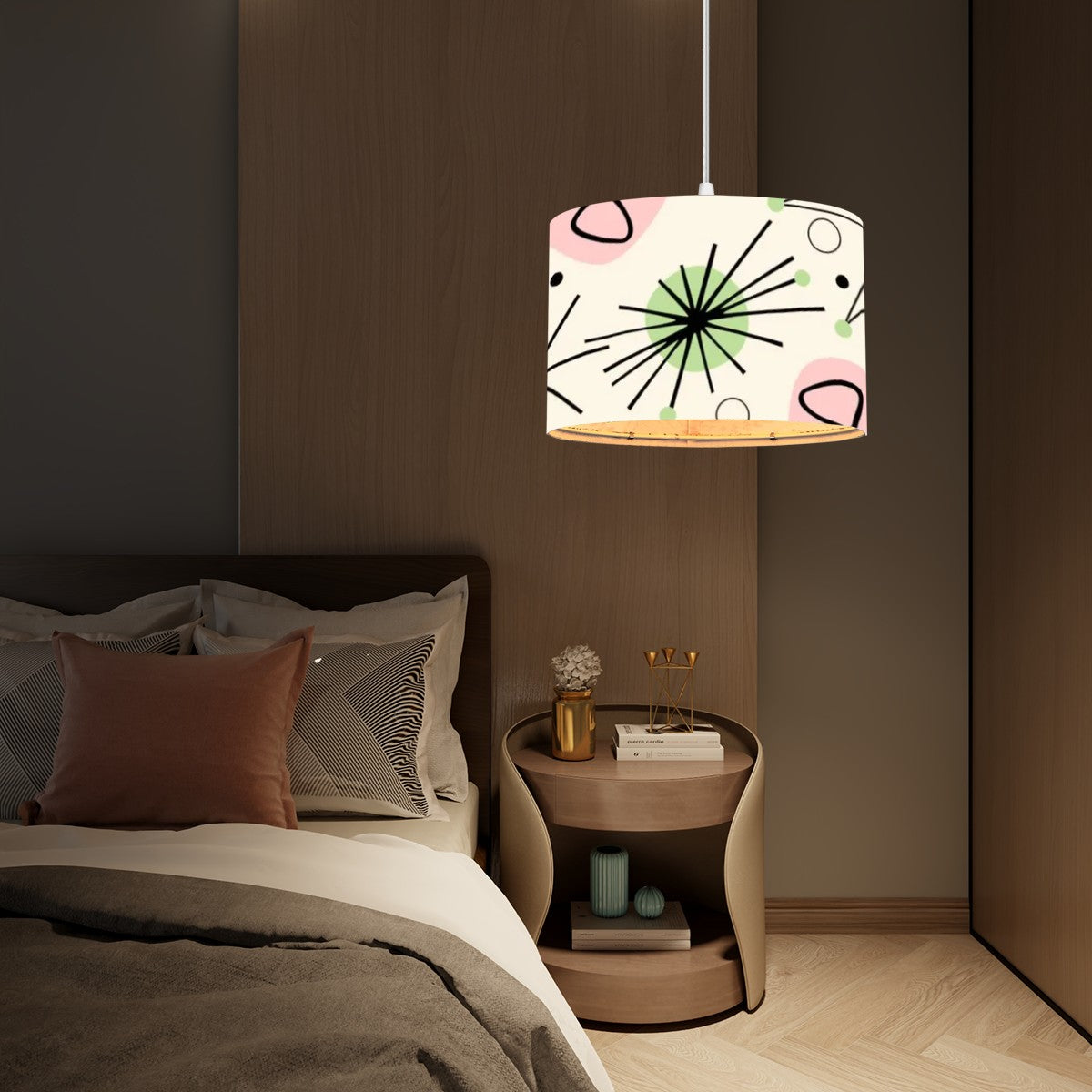
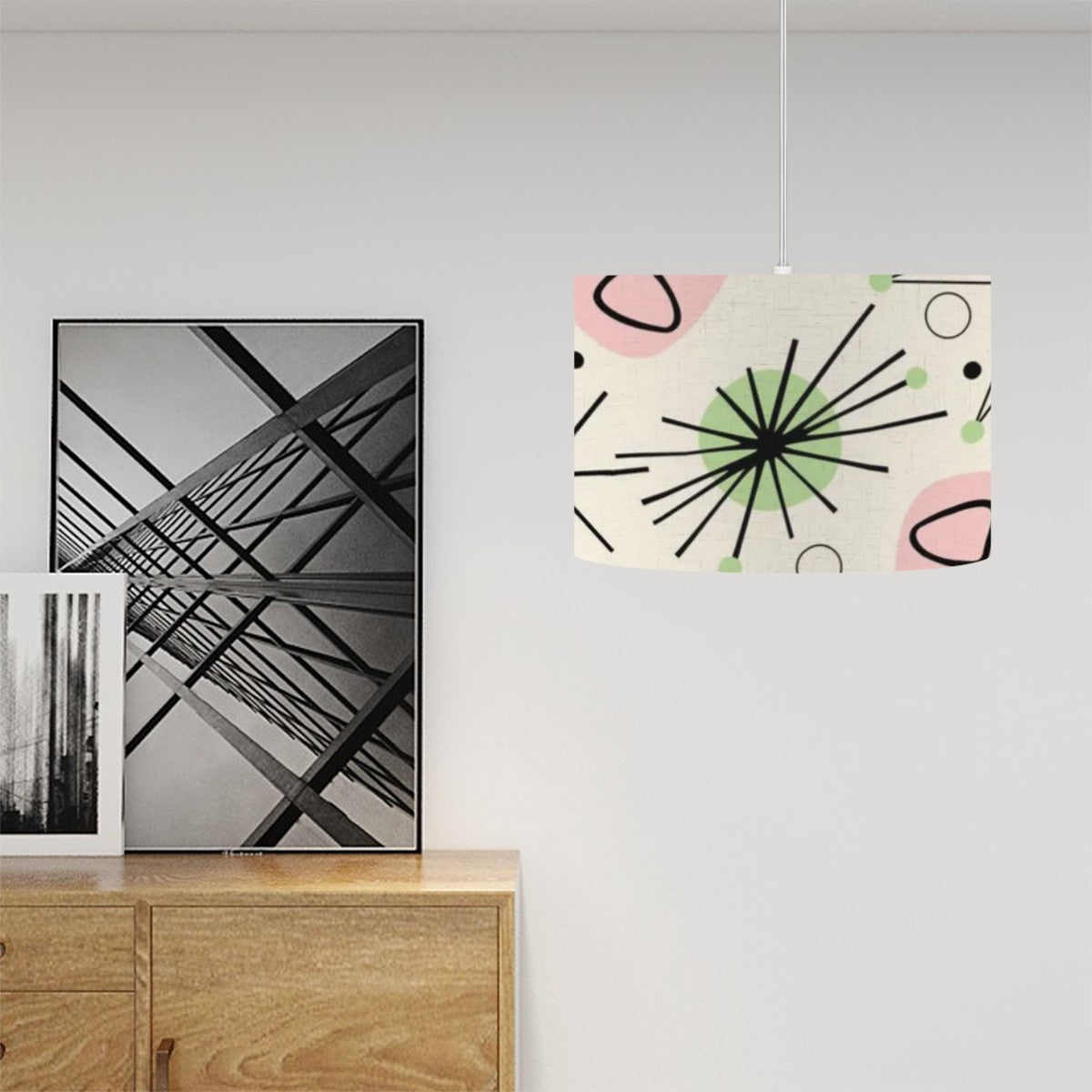

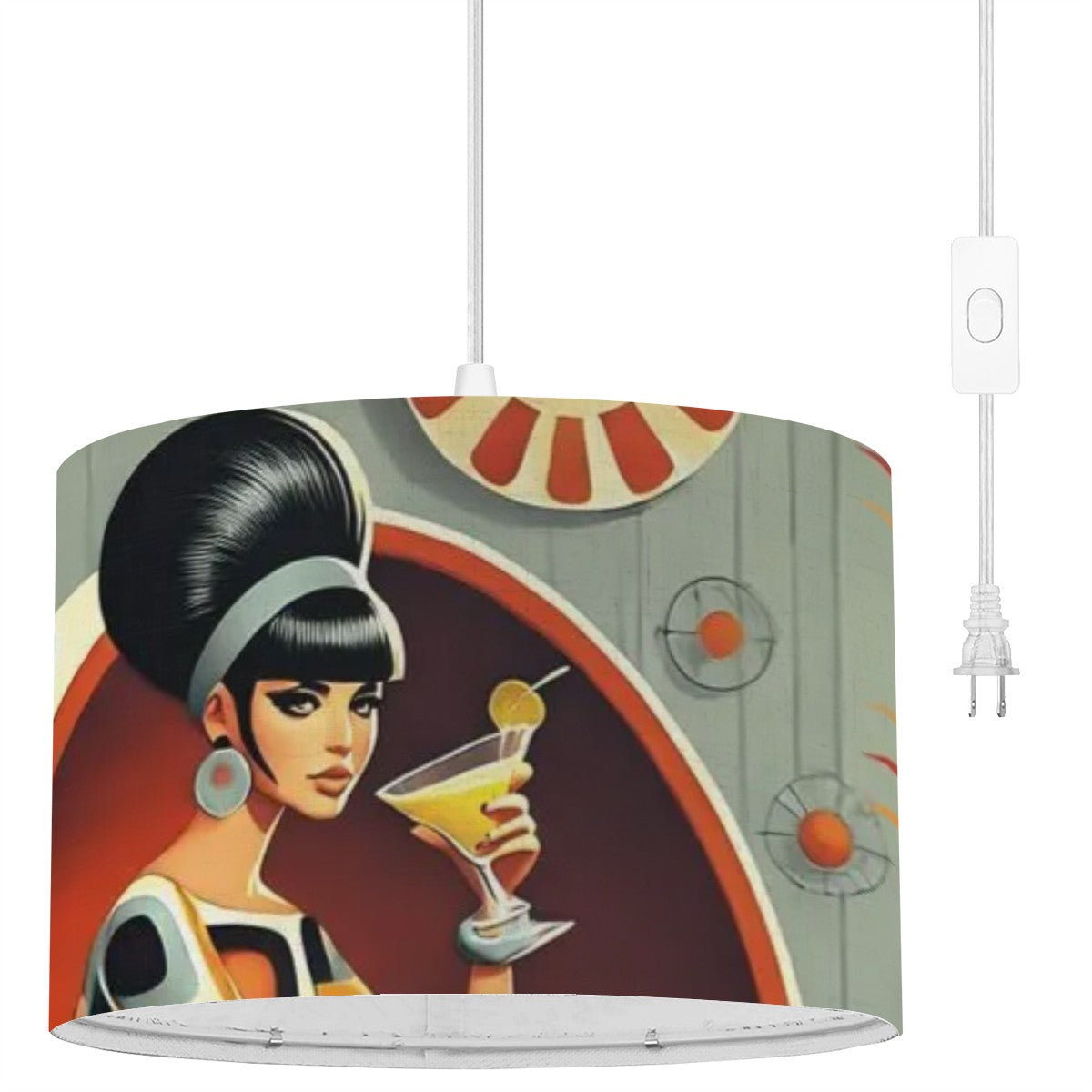

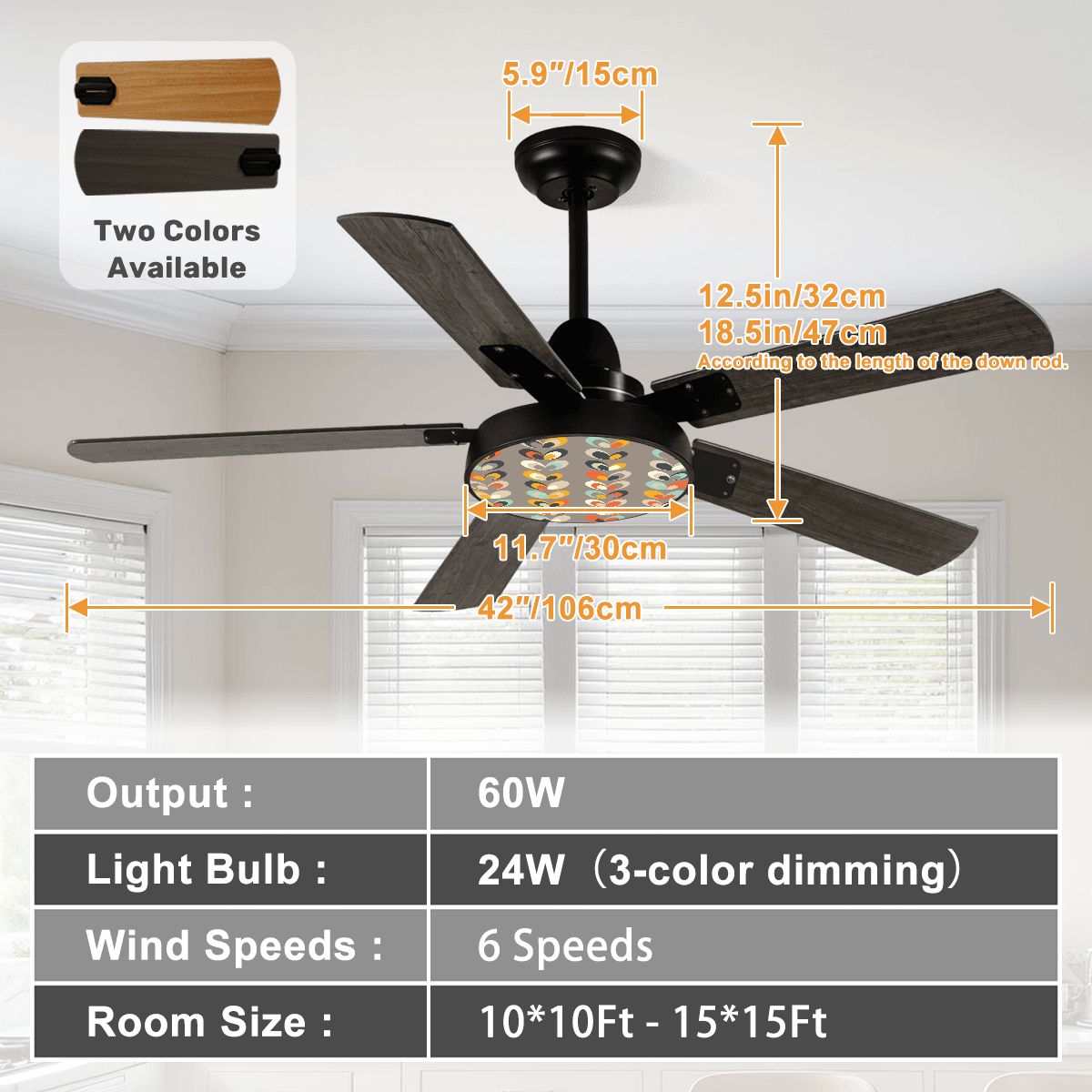
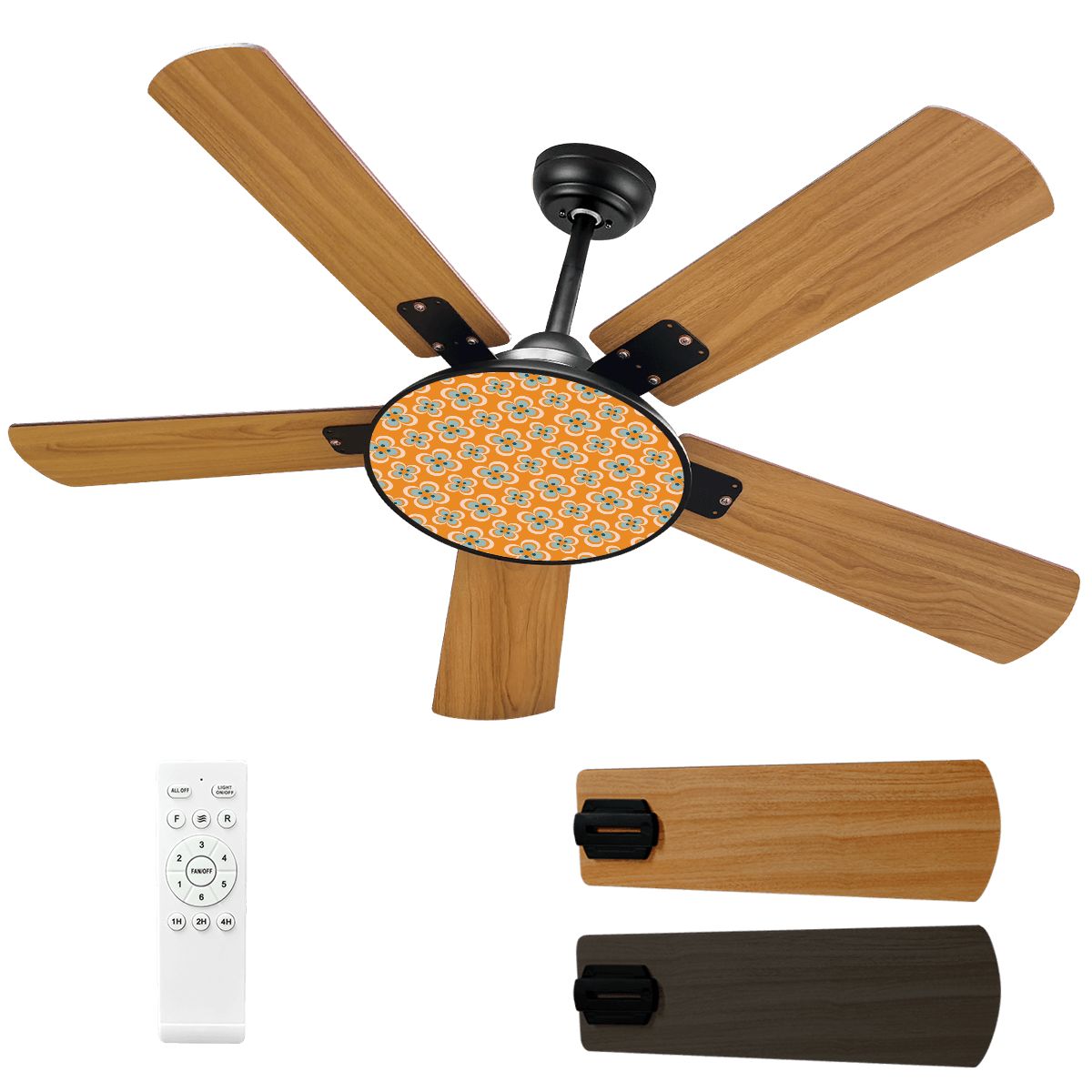
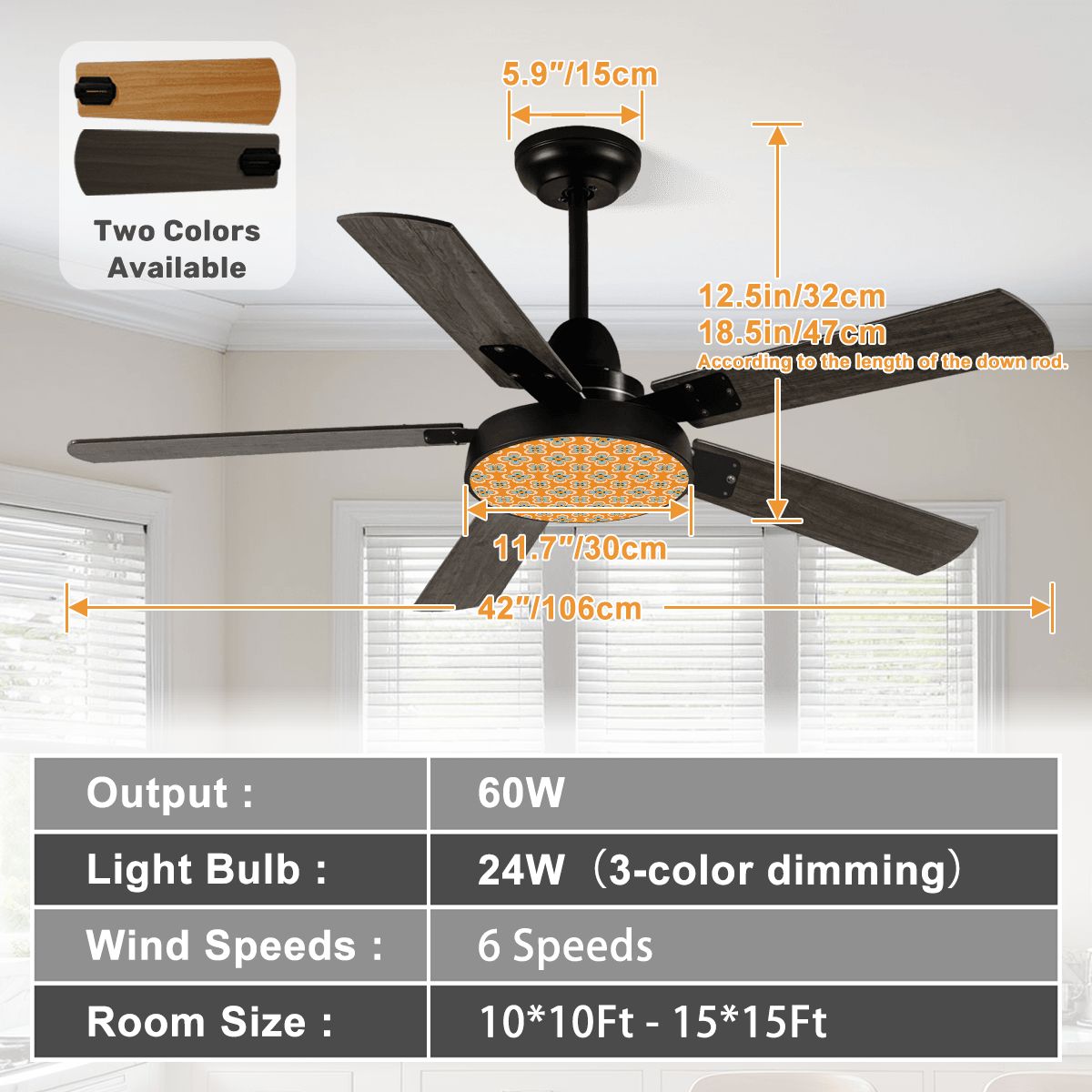

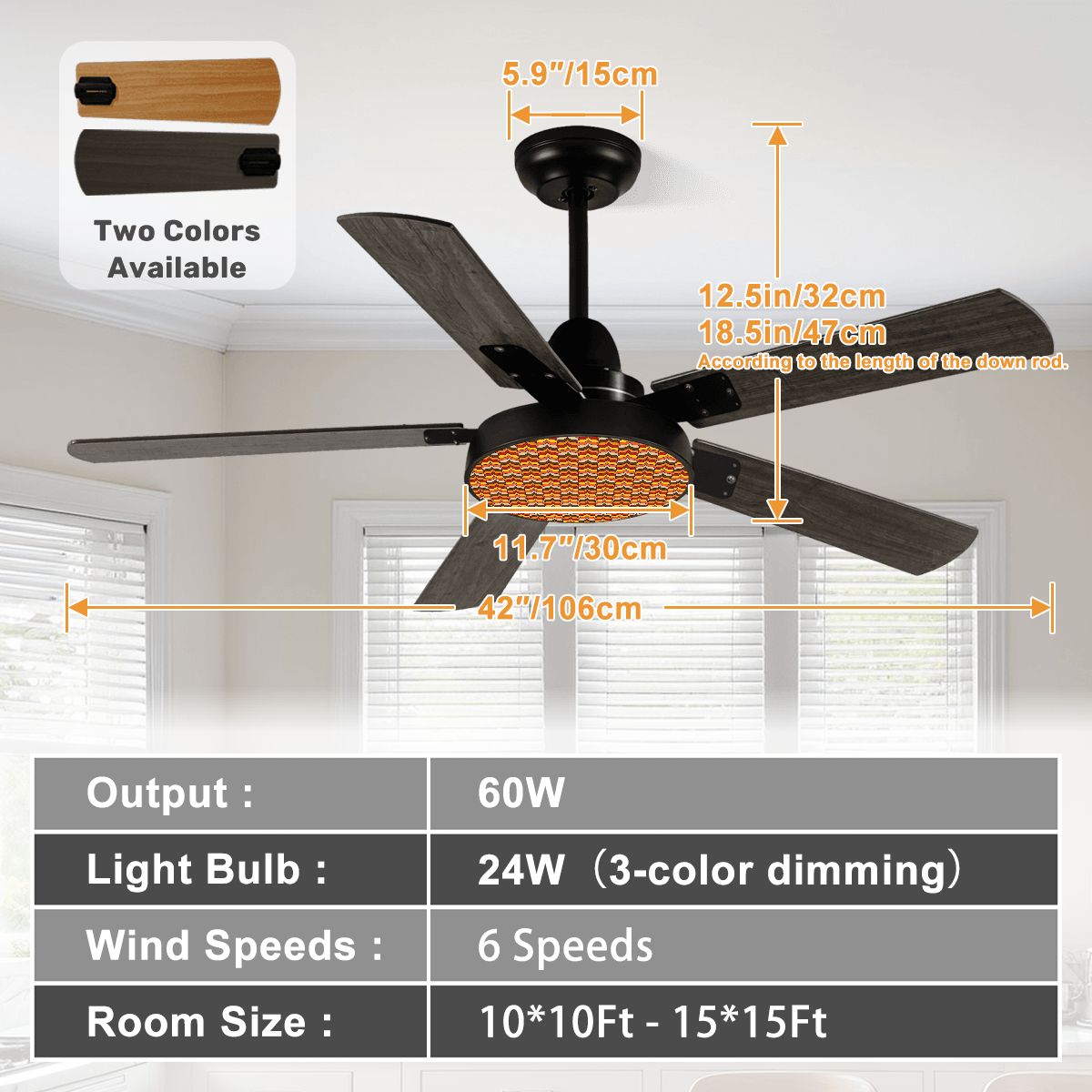
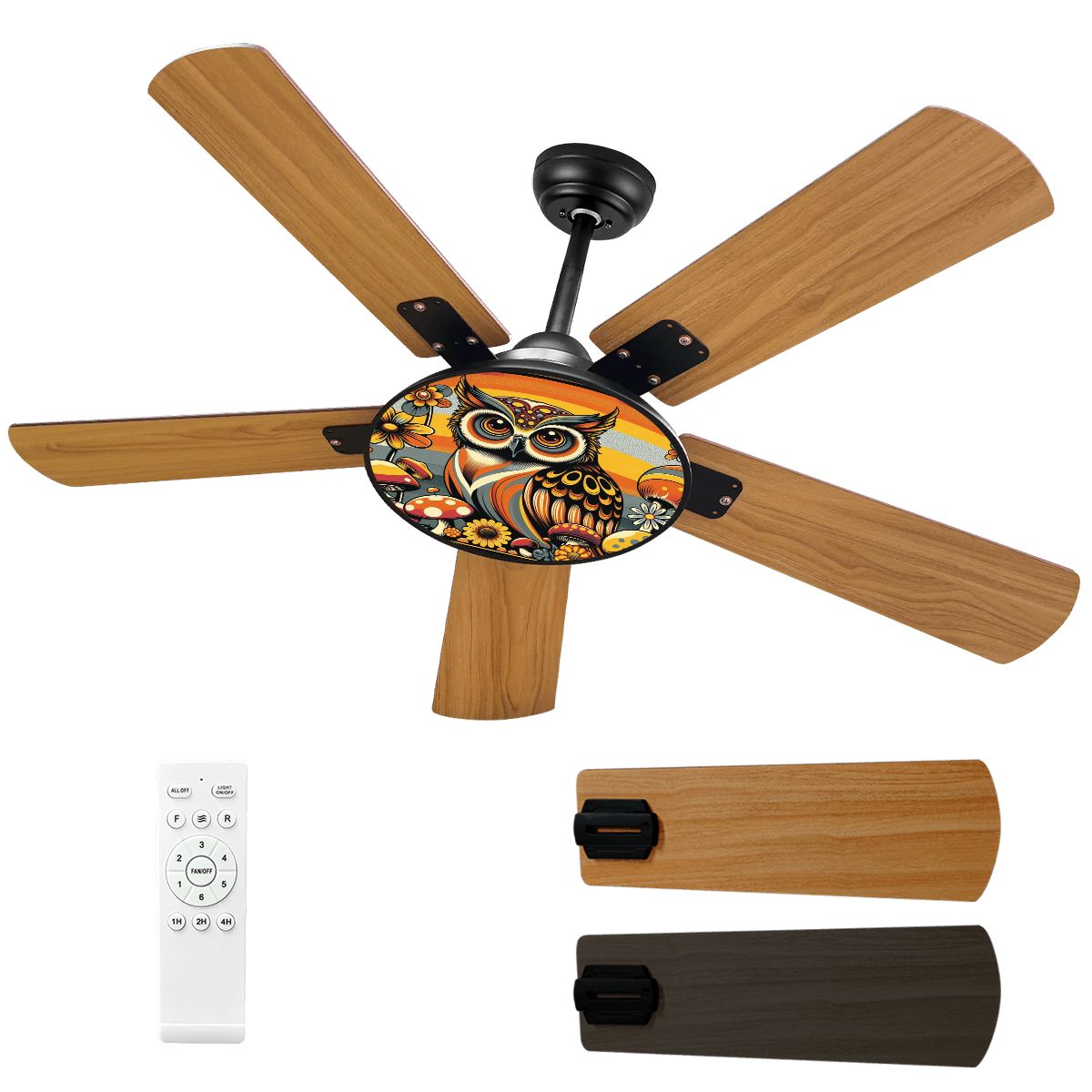
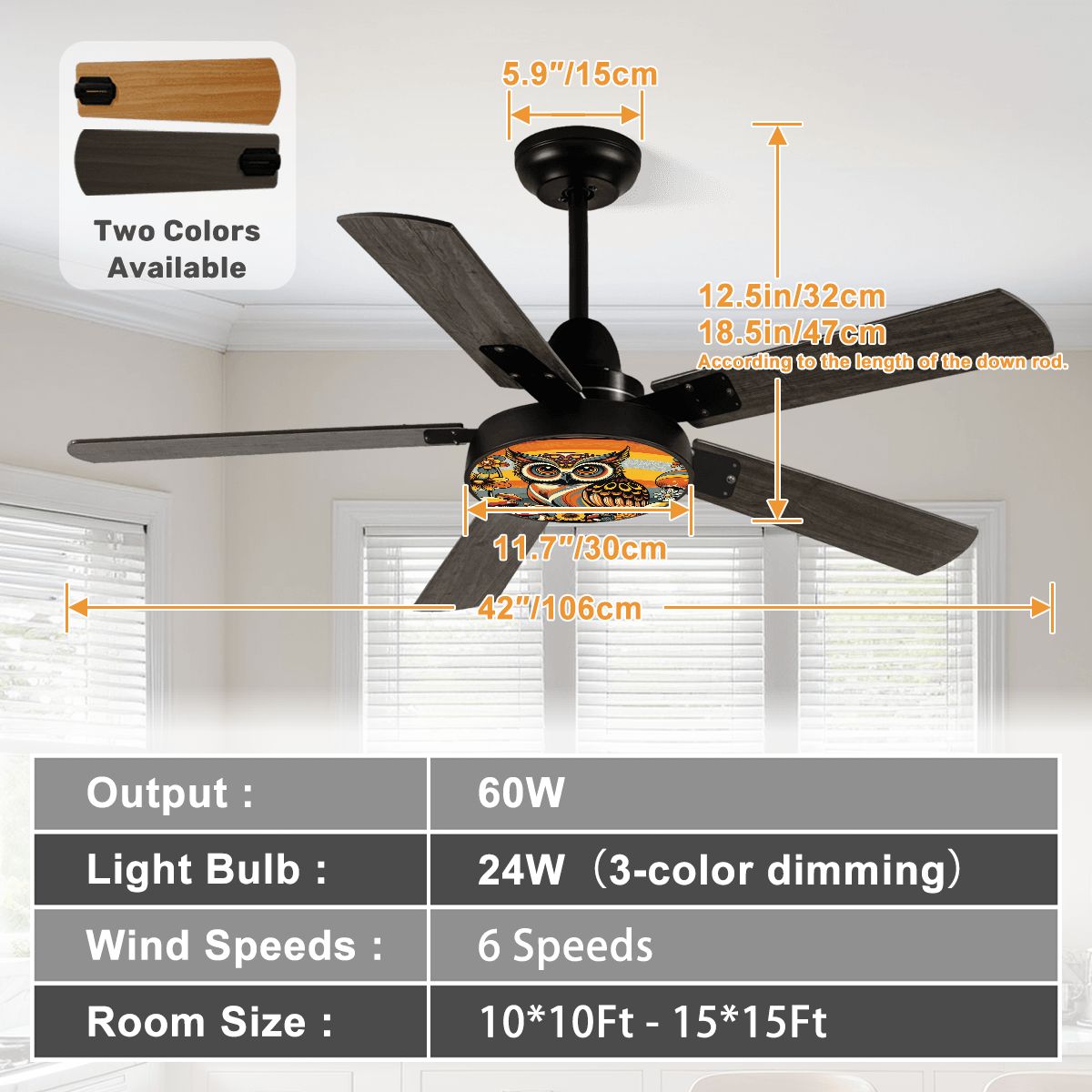

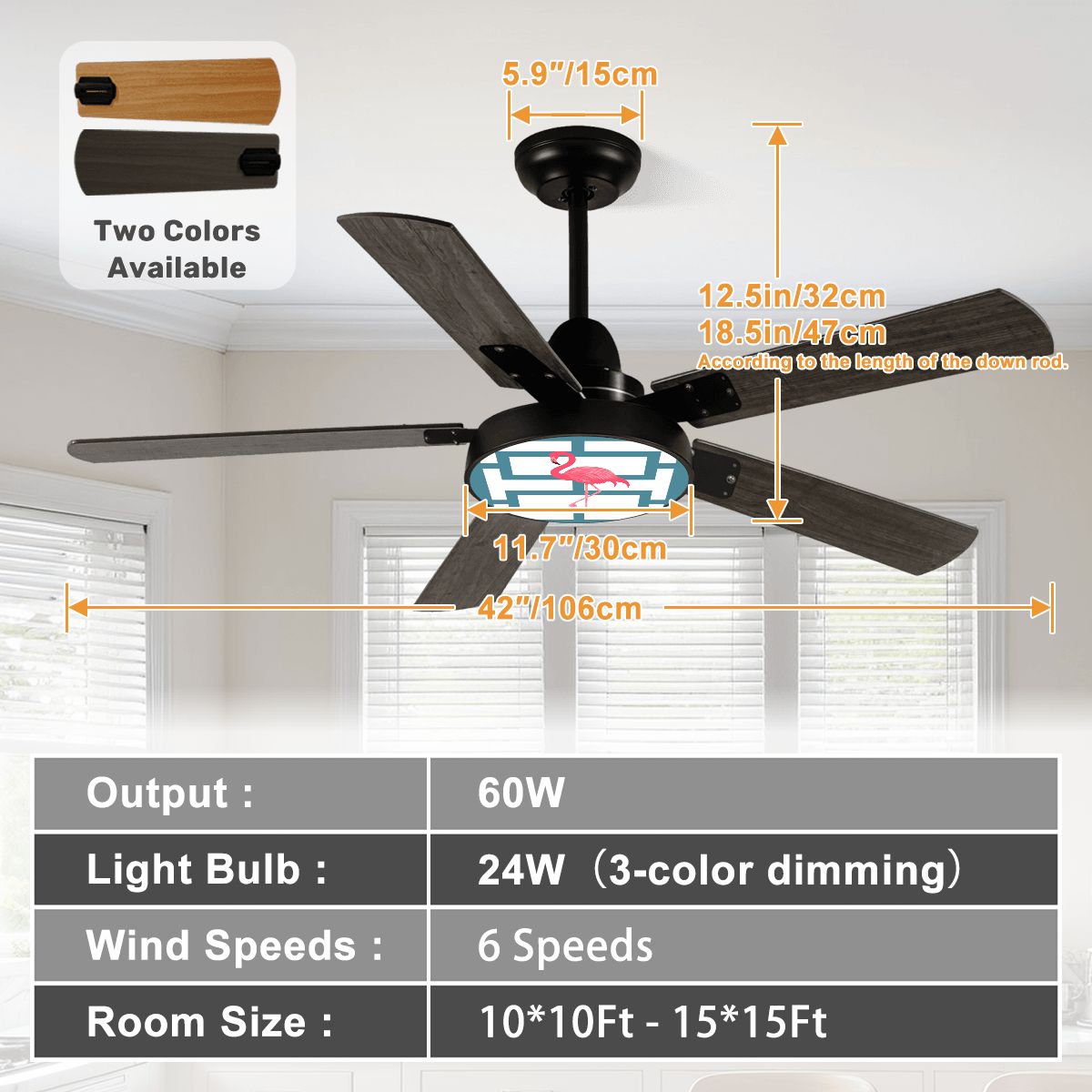

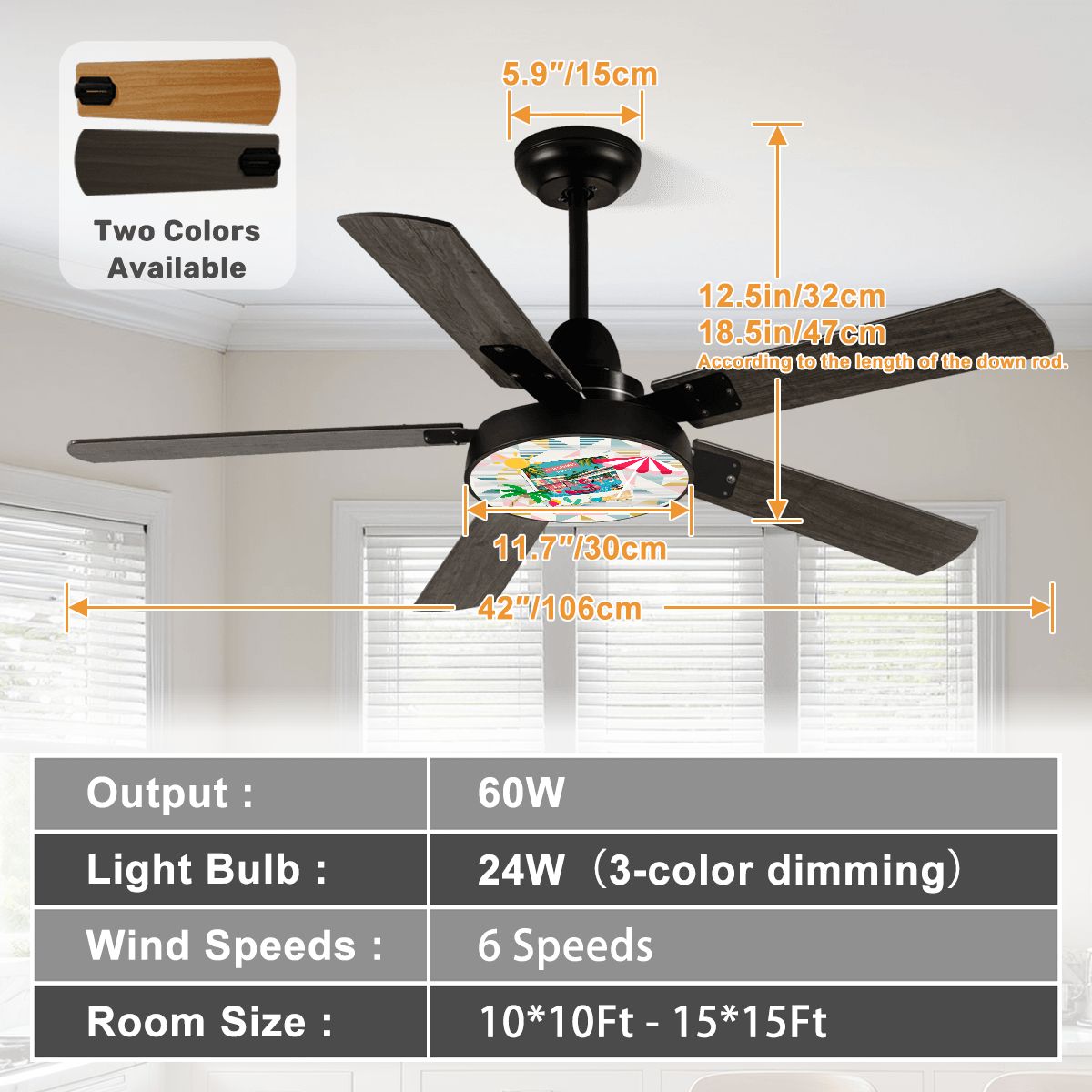
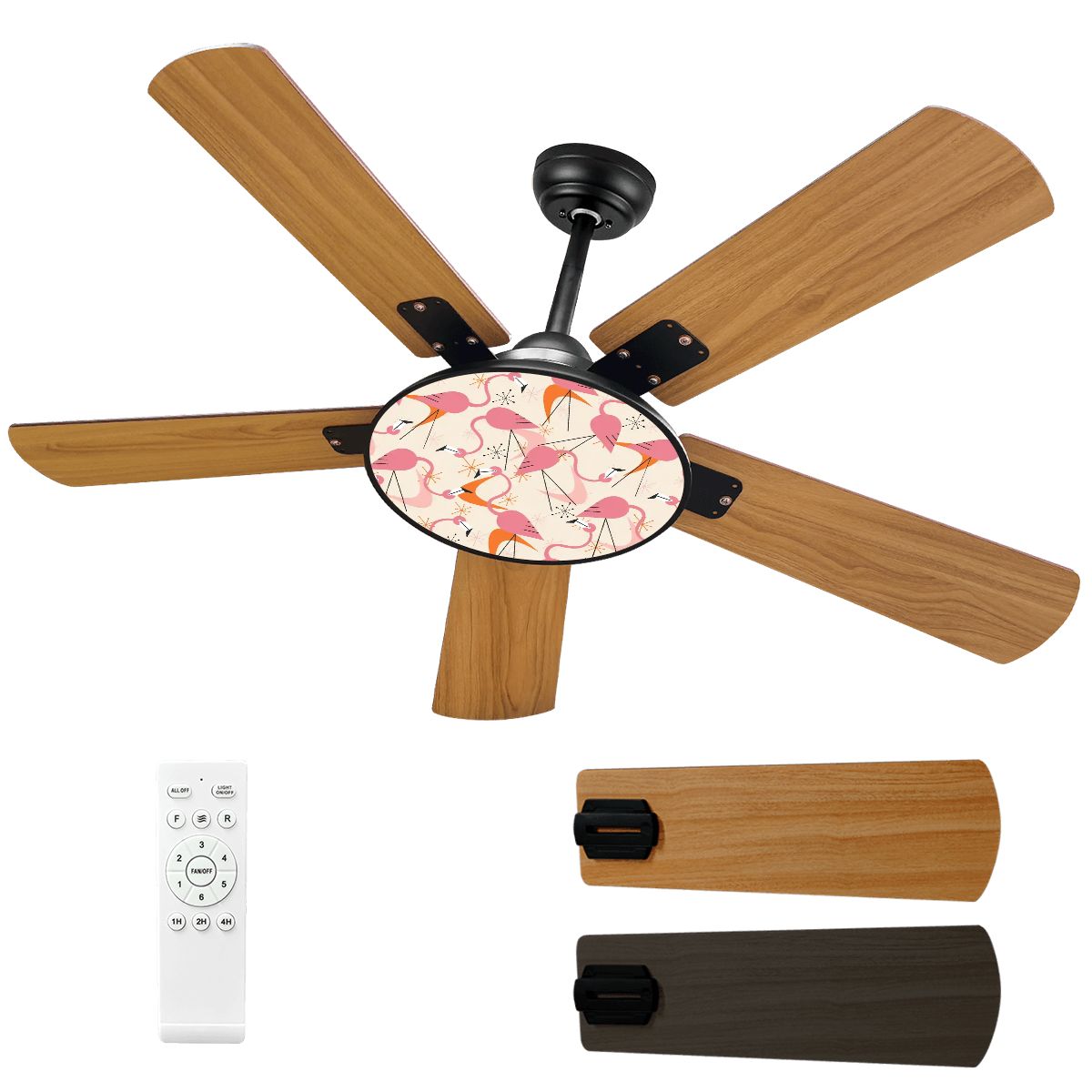
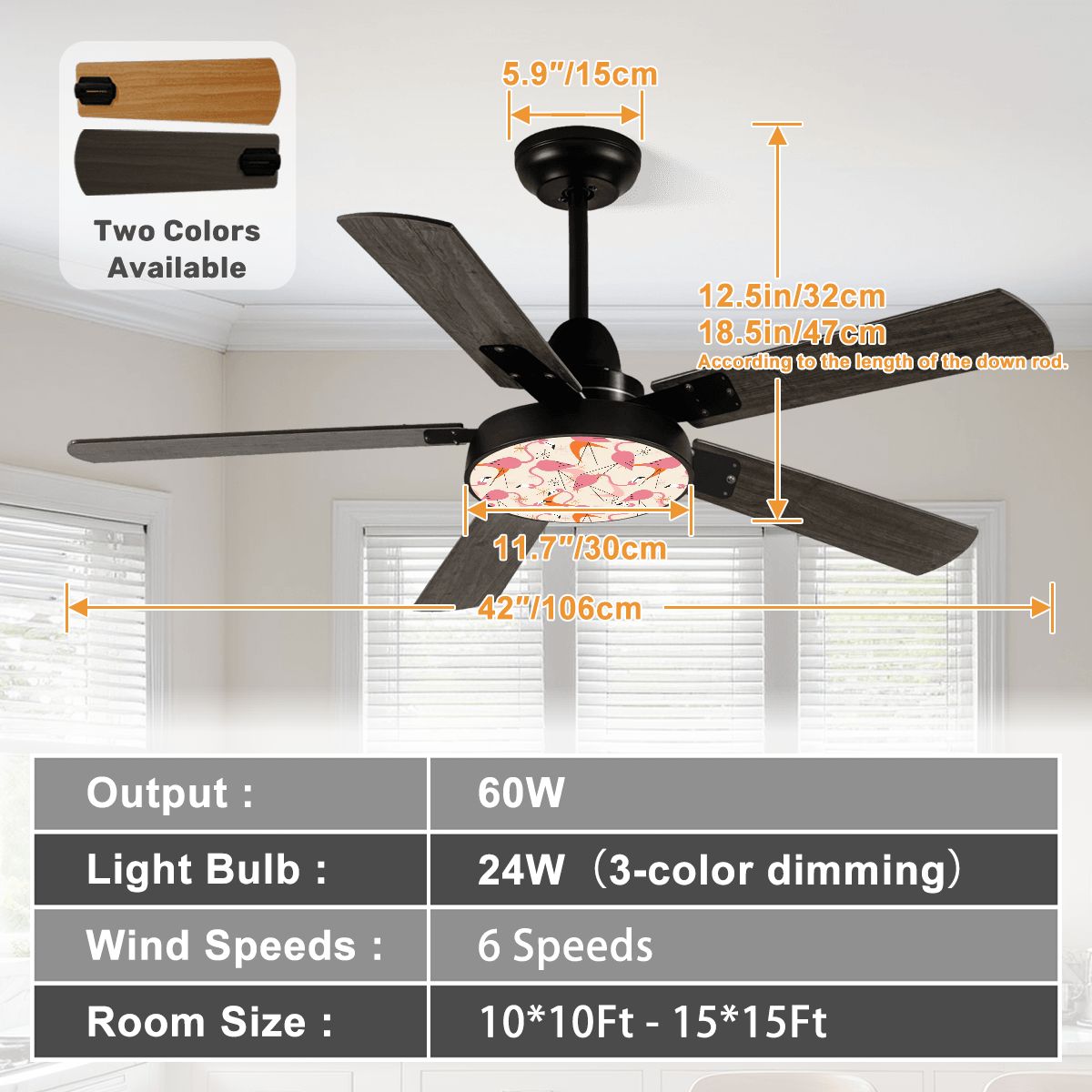
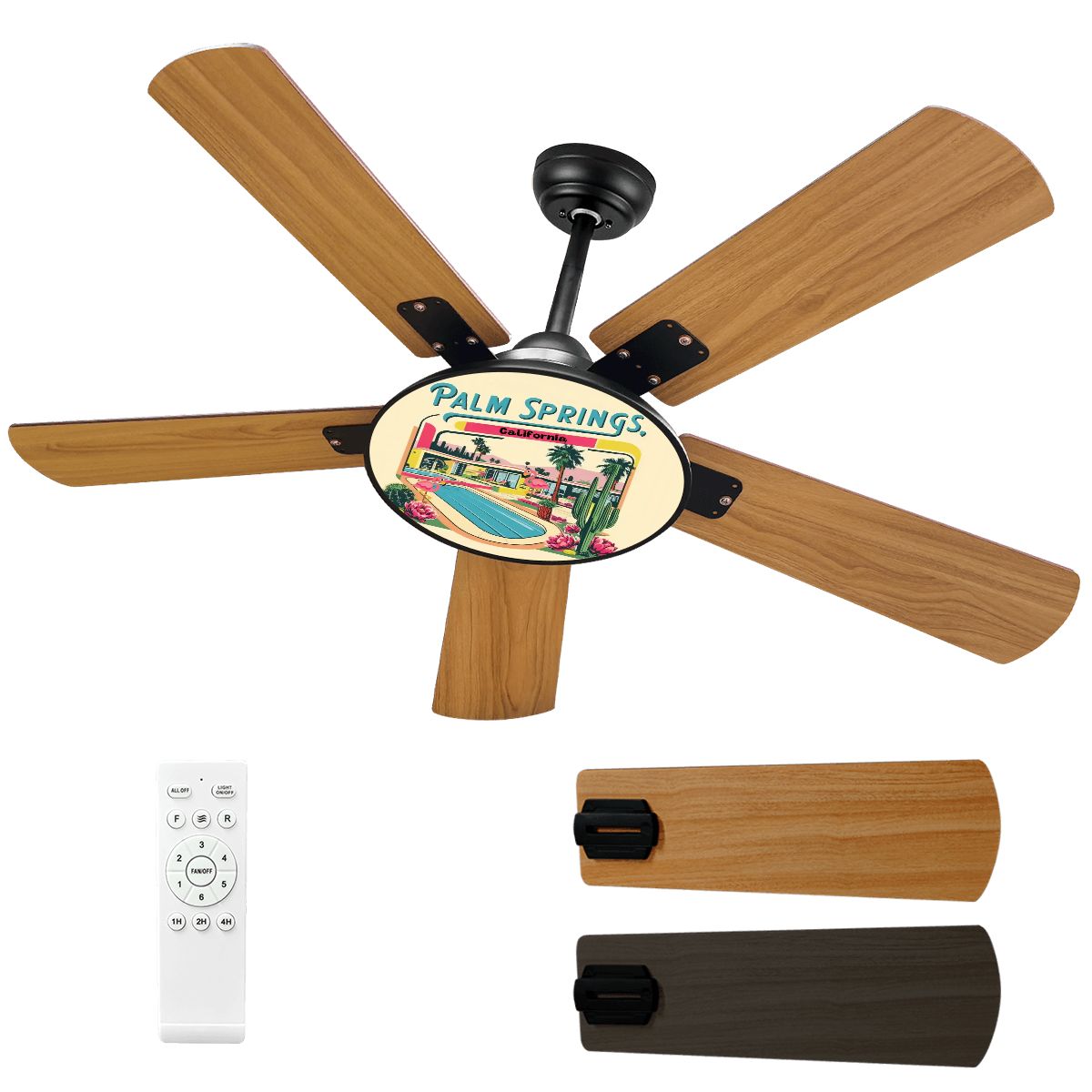
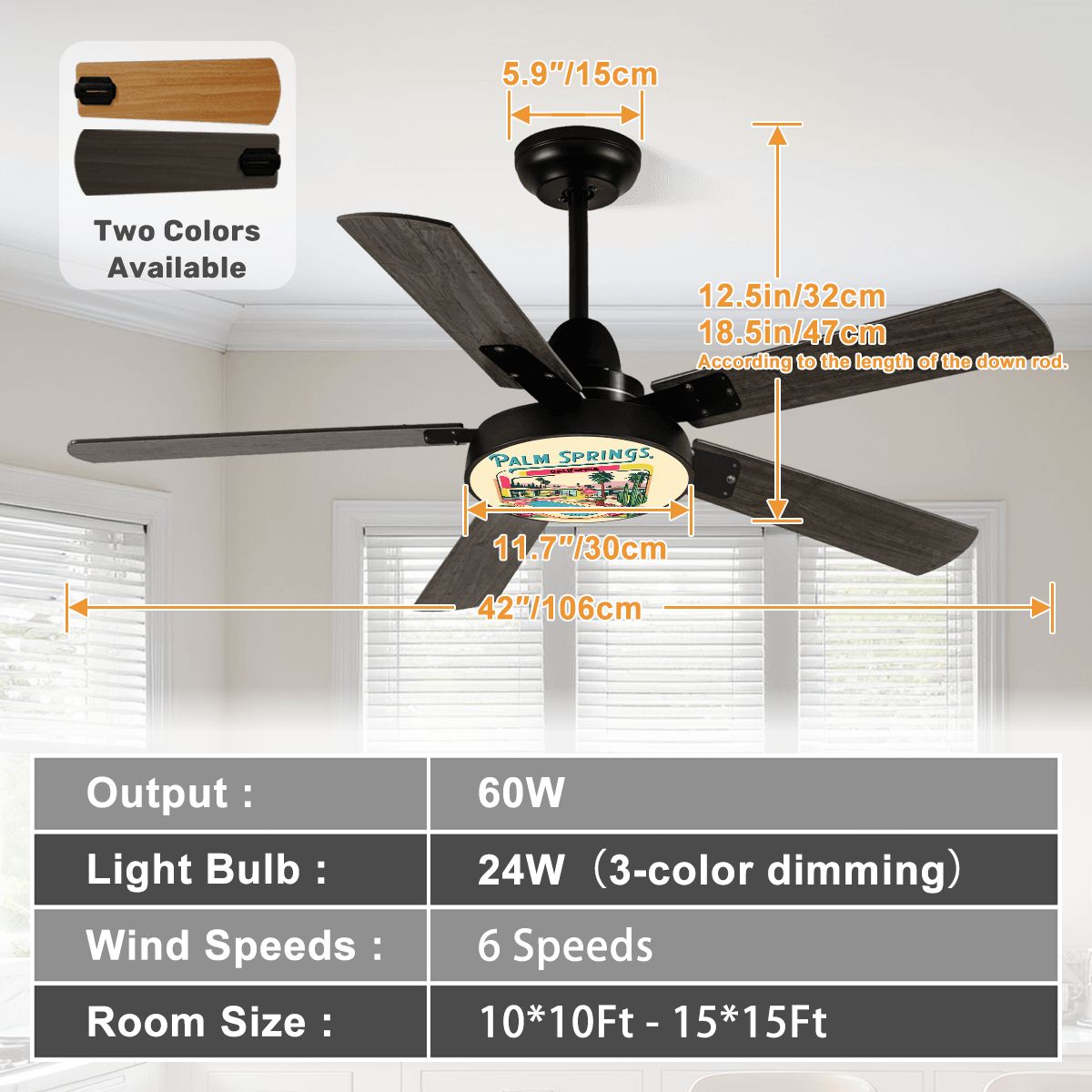
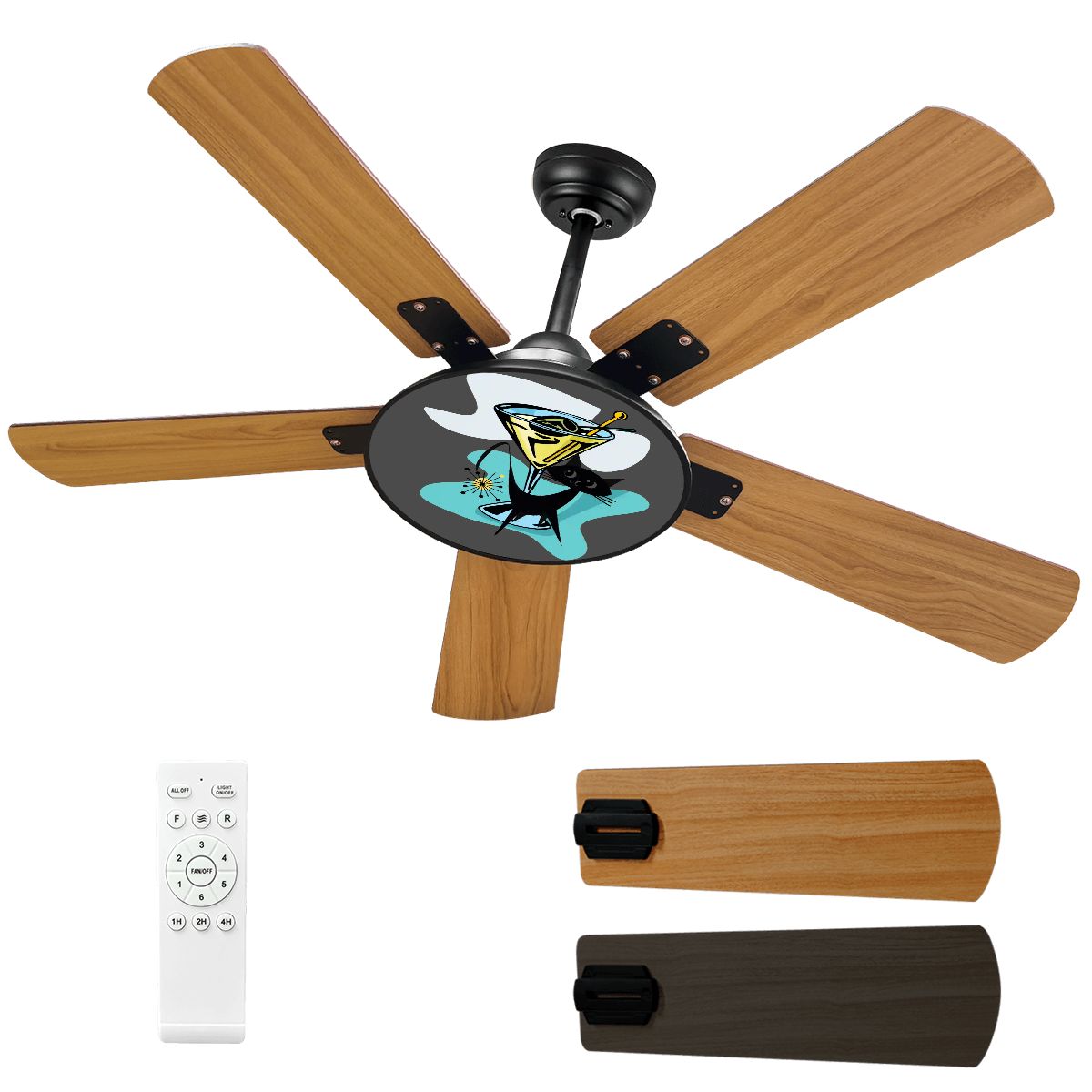
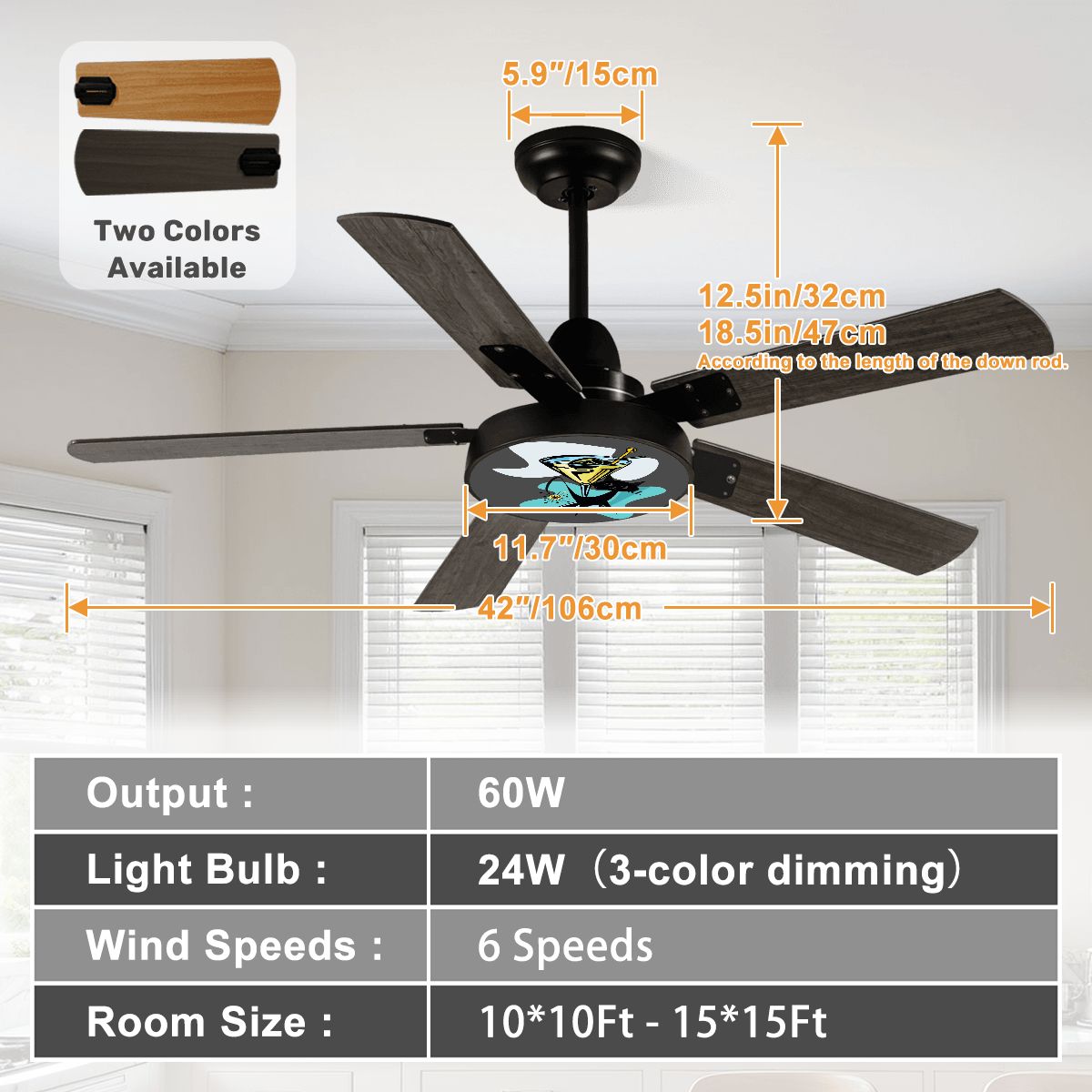

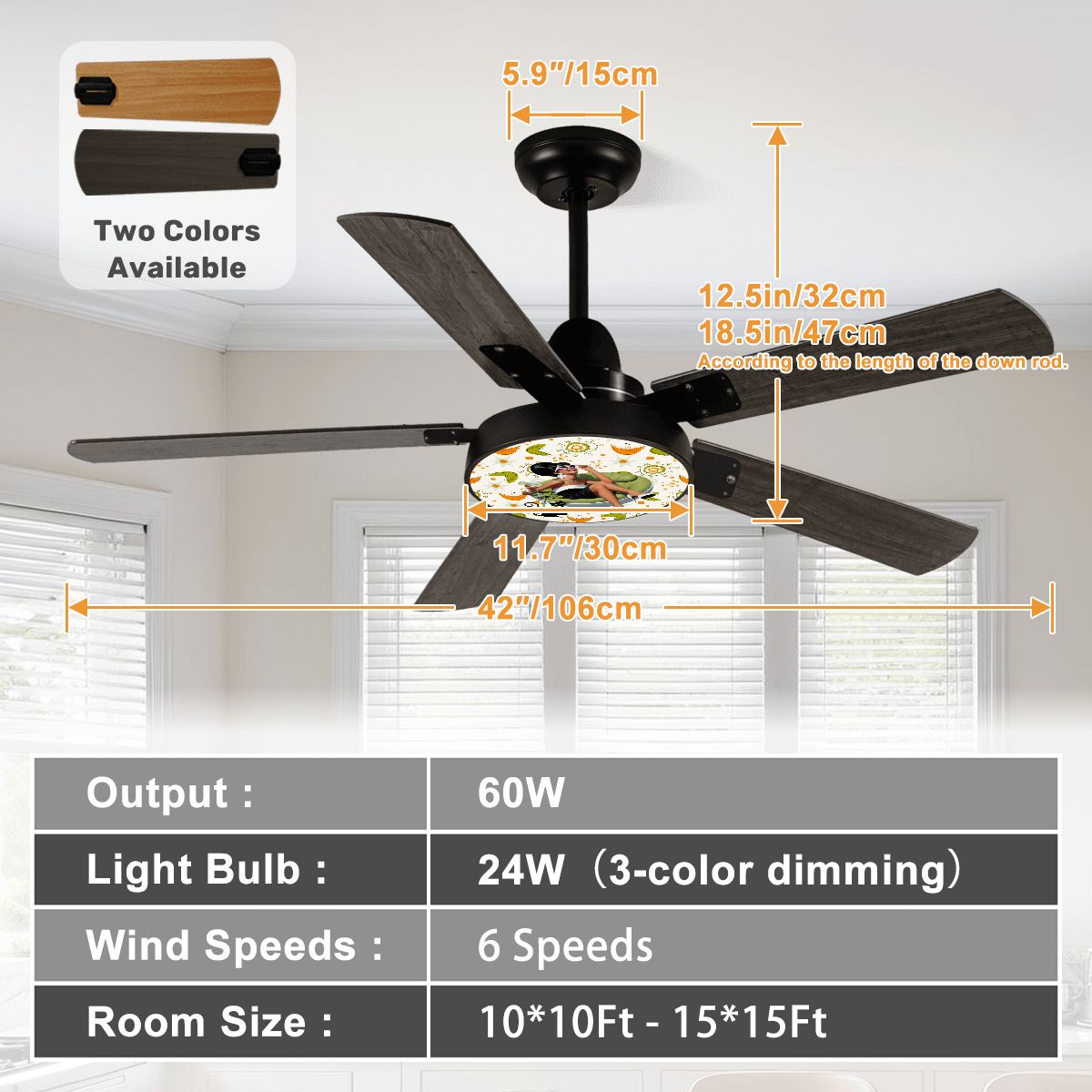

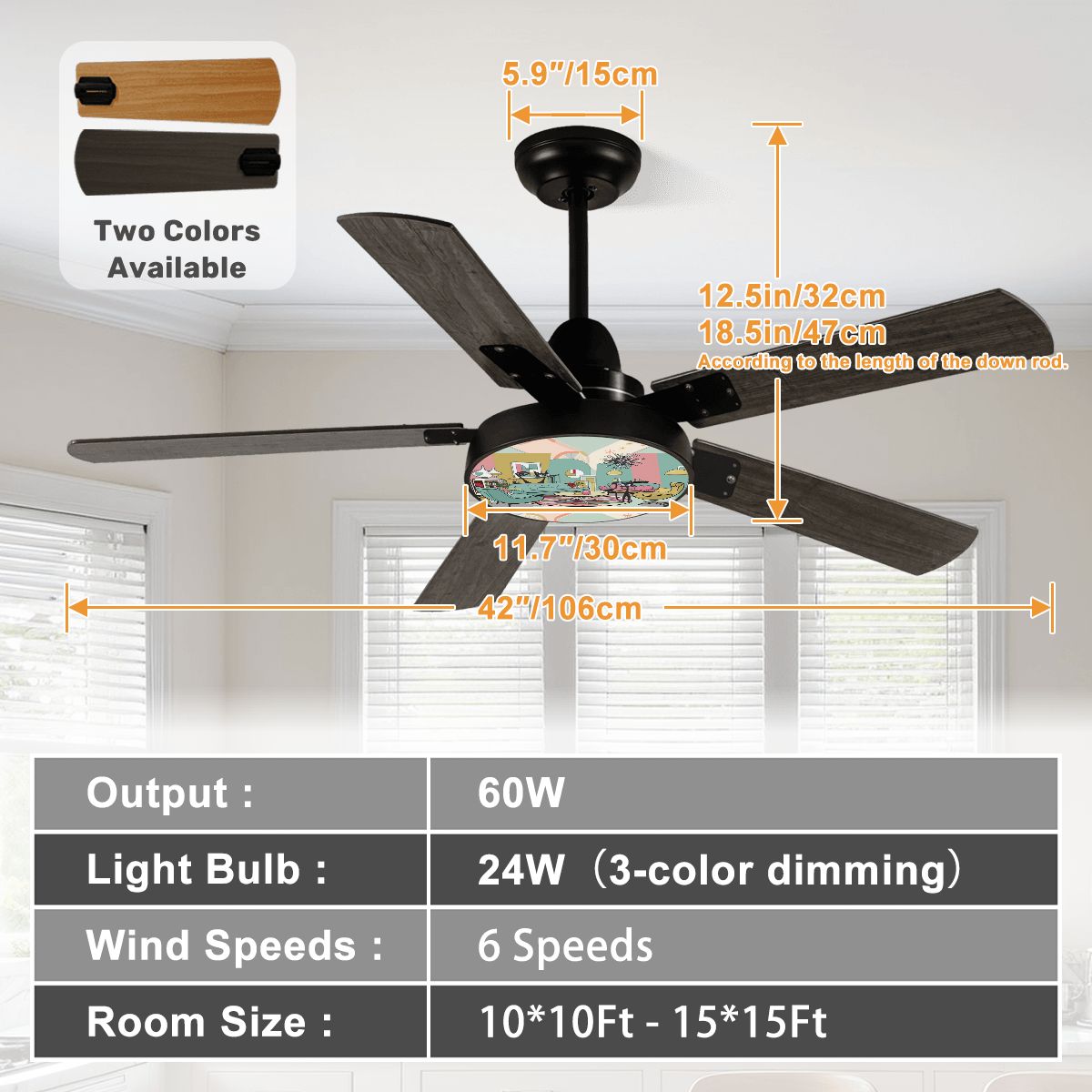
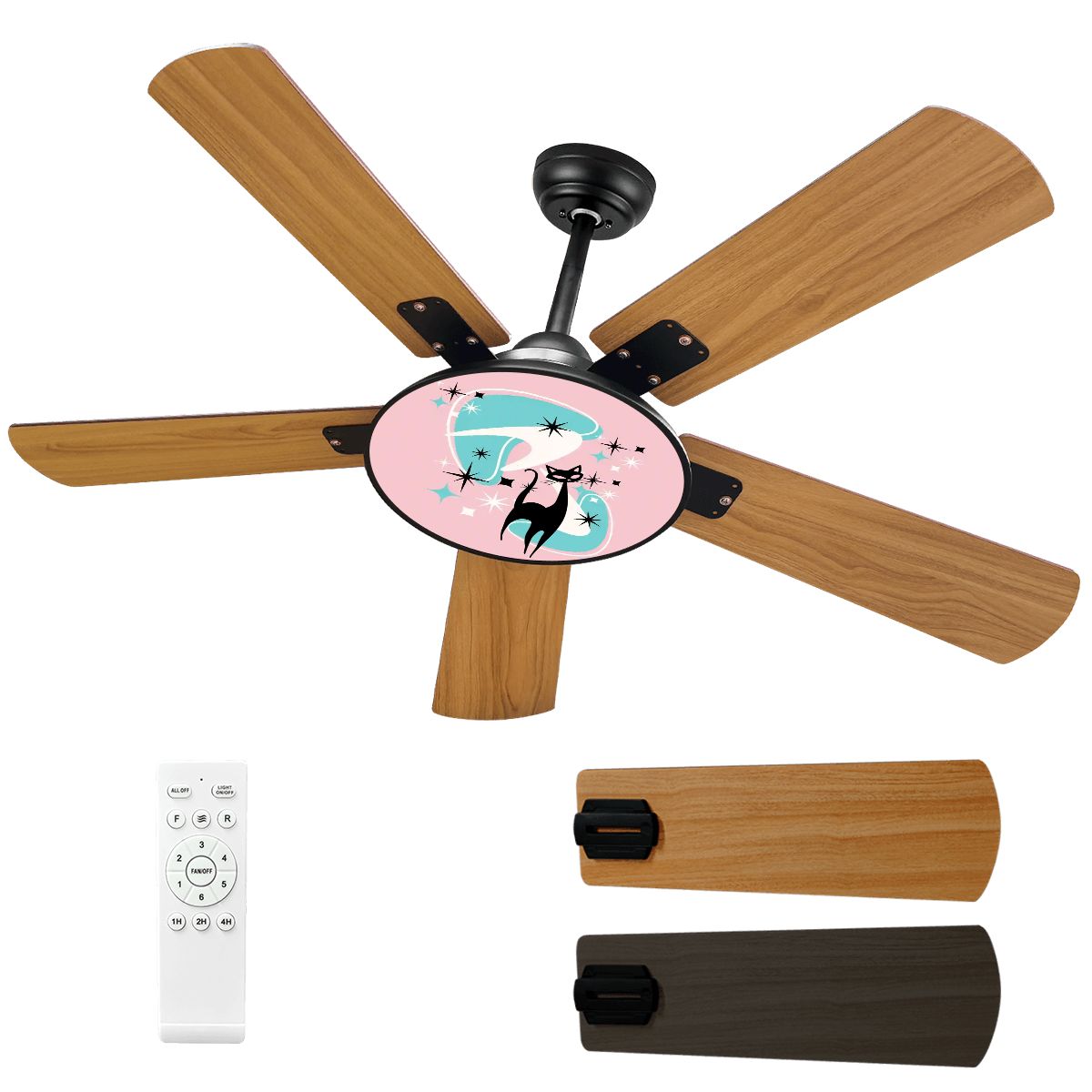
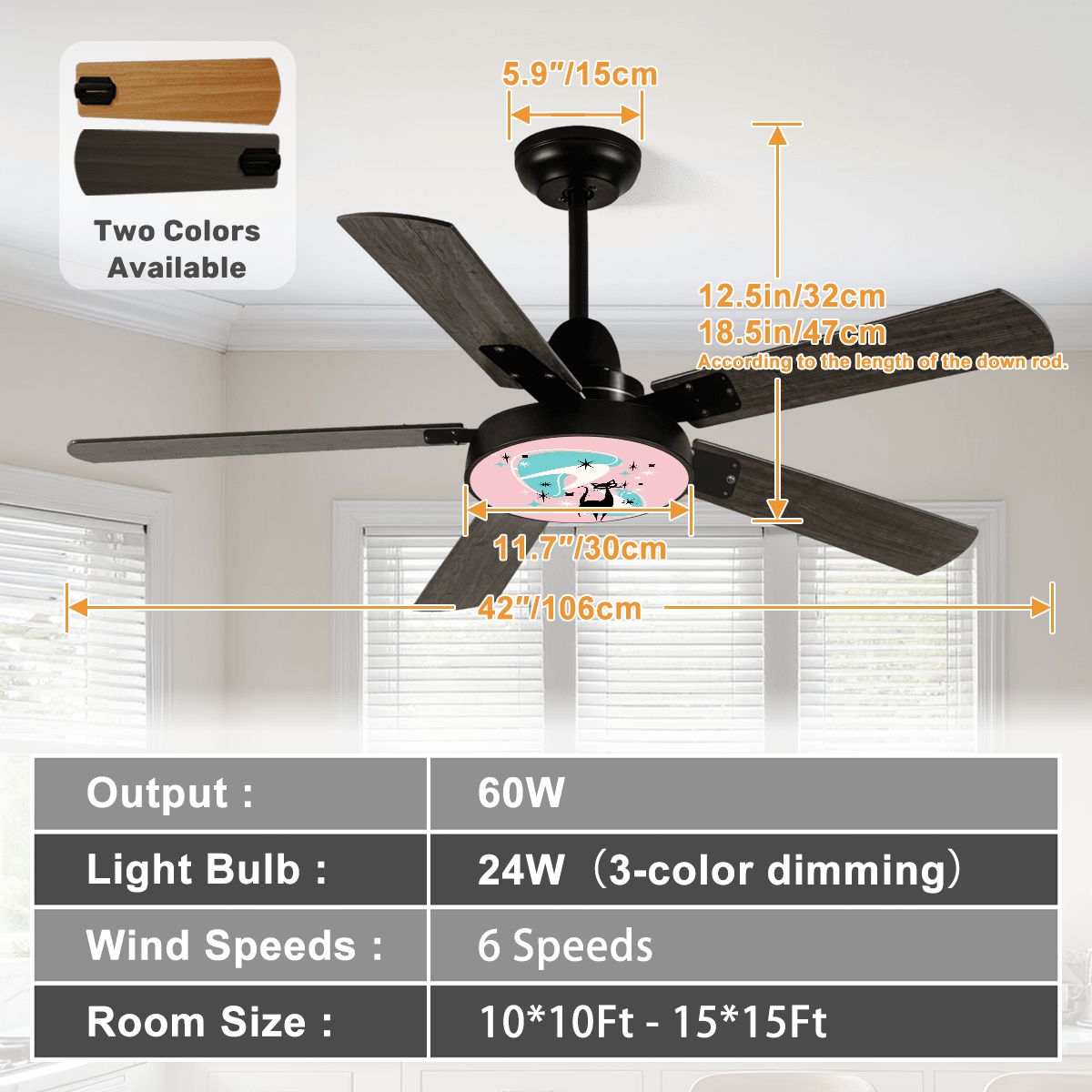
Mid Century Modern Kitchen Lighting blends functional illumination with vintage-inspired design to elevate everyday kitchen spaces. This collection focuses on kitchen ceiling fans and hanging pendant lights that deliver both airflow and targeted lighting where it matters most. Whether you’re brightening a prep area, defining a dining nook, or adding personality above an island, these fixtures balance form and function. Designed for those who appreciate retro kitchen decor, each piece adds charm while supporting practical kitchen tasks like cooking, cleaning, and entertaining.
Explore our full Mid Century Modern Kitchen Decor collection for more retro kitchen accessories.
Design, Materials, & Uses
These fixtures combine durable metals, glass shades, and wood-inspired accents to reflect classic mid-century aesthetics. Pendant lights often feature dome, globe, or geometric silhouettes that direct light downward, making them ideal for islands, counters, and breakfast bars. Kitchen ceiling fans integrate compact motor housings with integrated lighting, providing both illumination and airflow in smaller or multi-use kitchens. Finishes such as brushed brass, matte black, and warm wood tones enhance versatility across retro, eclectic, or modern interiors. Common use cases include task lighting, ambient lighting, and improving air circulation in enclosed cooking spaces.
Why Choose Kitchen Ceiling Fans and Pendant Lights from Mid Century Modern Gal
- Designed with authentic mid-century silhouettes that complement retro kitchen decor
- Durable materials built for daily kitchen use and long-term reliability
- Space-conscious designs suited for small to spacious kitchens
- Dual-function options combining lighting and airflow for added efficiency
- Compatible with standard residential electrical setups for straightforward upgrades
Selection & Fit Guide
Choose pendant lights based on the size of your kitchen surface—single pendants work well over small islands, while multiple evenly spaced fixtures suit longer counters. For ceiling fans, consider blade span relative to room size; compact fans are best for kitchens under 150 sq ft, while larger spaces may require wider spans or multiple fixtures. Pay attention to ceiling height—flush or semi-flush mounts are better for low ceilings, while adjustable rods or cords suit higher ceilings. Ensure electrical box compatibility and weight support, especially for heavier fixtures.
Setup, Installation, and Usage Notes
Turn off power at the breaker before installation and confirm wiring compatibility with your existing setup. Use appropriate mounting hardware and follow manufacturer guidelines for weight limits and ceiling support. For pendant lights, measure and adjust hanging height to maintain clear sightlines and adequate headroom. Ceiling fans should be securely anchored and balanced to prevent wobble. Clean fixtures regularly using a soft cloth to maintain finish quality and ensure consistent light output.